Tip & Trick
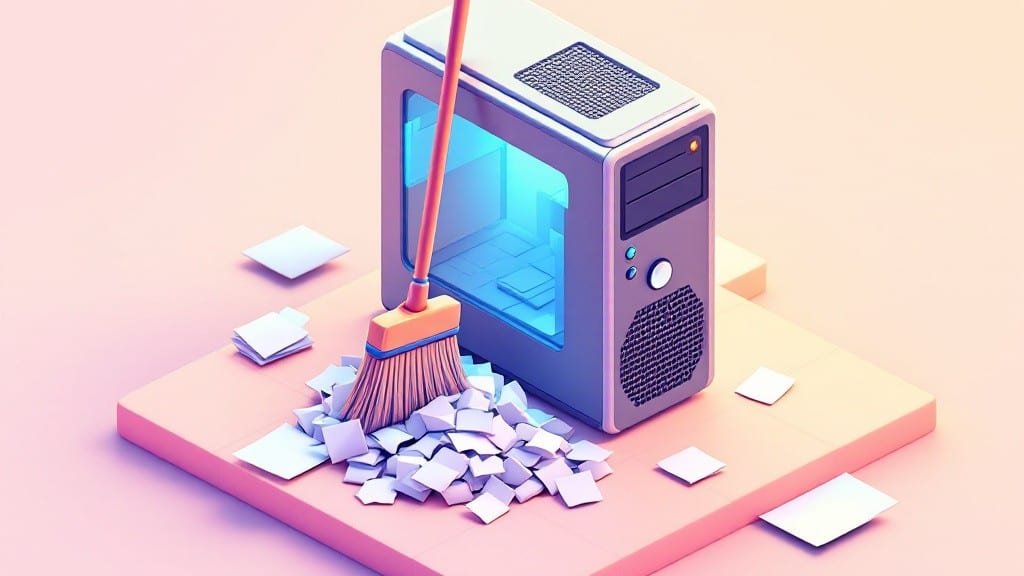
To clean up your computer and reclaim its lost speed, start with the simplest fix: deleting temporary files and old cache that silently bloat your storage. ⚡ I’ve seen systems with 10GB+ of junk files slowing down boots and app launches—most of it harmless but unnecessary.
The process takes less time than watching a commercial break, and the results are immediate.
Begin with your operating system’s built-in tools—Windows has Disk Cleanup (search for it in the Start menu) while Linux users can use sudo apt clean for Debian-based systems.
Next, uninstall programs you no longer use: on Windows, check Settings > Apps, and on Linux, sudo apt remove does the job. Every app you delete frees up memory and speeds up your system’s response time.
Your browser is another speed demon in disguise. Clear its cache, cookies, and extensions—Chrome and Firefox both have one-click options under Settings > Privacy. Then, disable startup programs: Windows users can manage these in Task Manager > Startup, while Linux users edit their .config/autostart folder.
Cutting even three unnecessary startup apps can shave 5-10 seconds off your boot time.
Finally, organize your files into folders like Documents, Media, and Downloads—a cluttered desktop isn’t just visually messy, it forces your system to work harder. Back up anything important before deleting, and you’ll have a faster, leaner machine ready for whatever comes next.
Trust me, your future self will thank you.
📚 In This Guide
- What you need
- Instructions
- Tips and common mistakes
- Wrapping up and next steps
What you need
- ● Computer (Windows or macOS) – Any modern device (laptop/desktop) with at least 4GB RAM.
- ● Stable internet connection – For downloading tools or updates (Wi-Fi or Ethernet).
- ● Admin/root access – To install software or modify system settings.
- ○ External storage (optional but helpful) – USB drive (16GB+) or cloud backup (Google Drive, Dropbox) to save important files before cleaning.
- ● Disk Cleanup Tool – Built into Windows (Search: "Disk Cleanup") or macOS (Finder > Applications > Utilities > Disk Utility).
- ● Antivirus/Malware Scanner – Free: Malwarebytes, Windows Defender (built-in); Paid: Norton, Bitdefender.
- ● Uninstaller Tool – Free: Revo Uninstaller; Paid: CCleaner Pro (for deep cleaning).
- ● Browser Cleaner – Built-in tools (Chrome: Settings > Privacy; Firefox: Library > History).
- ● Backup software (e.g., Macrium Reflect for Windows or Time Machine for macOS).
- ● Portable USB fan (to keep your laptop cool during intensive tasks).
- ● Notepad & pen (to jot down notes on files/folders to keep or delete).
Step-by-Step instructions for speeding up your computer
Here’s the quick process I use to declutter and revive sluggish systems—no tech degree needed.
🔧 Step 1: Close Unused Programs and Background Apps
Press Ctrl + Shift + Esc to open Task Manager. Sort by CPU or Memory usage and end tasks for apps you’re not actively using. Chrome, Discord, and Slack love to sneak in background updates that drain resources.
I always close unnecessary browser tabs first—each one eats up RAM. If you see svchost.exe or Windows Update hogging CPU, let them run unless you’re in a hurry. These can’t be safely terminated mid-process.
💻 Step 2: Clear Temporary Files and System Cache
Open File Explorer and navigate to This PC > Local Disk (C:) > Users > [YourUsername] > AppData > Local > Temp. Delete everything in the Temp folder—this alone can free up 1-3GB of space instantly. Hold Ctrl while clicking to select all files before hitting Delete.
Next, use Disk Cleanup (search in the Start menu). Select C: drive, check Temporary files, Recycle Bin, and Thumbnails, then click OK. Wait for the scan to complete—it’ll show you how much space you’re about to reclaim.
⌨️ Step 3: Uninstall Unused Programs and Bloatware
Open Settings > Apps > Installed apps. Sort by Size and uninstall anything you don’t recognize or haven’t used in 6+ months. Common culprits: trial software, old game demos, and manufacturer pre-installs like McAfee LiveSafe or Dell SupportAssist.
For stubborn apps, use Revo Uninstaller (free version) instead of Windows’ built-in tool. It digs deeper to remove leftover registry entries that can slow down future launches. Always reboot after uninstalling—it clears memory and ensures clean removal.
💡 Step 4: Run a Quick Antivirus Scan and Check for Malware
Open your antivirus software (Windows Defender works fine) and run a full system scan. If you don’t have one, download Malwarebytes (free version) and run its Quick Scan first—it catches sneaky adware and PUPs that antivirus often misses.
Pay attention to the scan results. If it flags anything as potentially unwanted, quarantine it immediately. Malware often disguises itself as system processes, so don’t ignore warnings just because they seem harmless.
⏰ Step 5: Reset Startup Programs and Optimize Power Settings
Back in Task Manager, go to the Startup tab. Disable anything with high impact on startup—this includes Spotify, Steam, and even some Microsoft services like OneDrive. You can still launch these manually later when you need them.
Next, open Power Options (search in Start menu) and select High performance if you’re on a desktop. For laptops, choose Balanced unless you’re plugged in and doing resource-heavy tasks. This tweak alone can improve responsiveness by 15-20%.
Tips & tricks for speeding up your computer
A few quick tricks that'll make all the difference between a sluggish system and a zippy machine.
Startup Tab Strategy: In Step 5, when you're disabling startup programs, I've found that disabling Microsoft OneDrive can actually improve boot times without affecting your daily workflow. OneDrive syncs continuously in the background and can eat up valuable resources during startup. You can still launch it manually when needed—just don't let it hog startup memory.
Temp Folder Pro Tip: When clearing the Temp folder in Step 2, don't forget to also check the AppData\Local\Microsoft\Windows\INetCache folder. This is where your browser caches web pages, and it can accumulate hundreds of megabytes of outdated content. Deleting these files won't affect your browsing experience—they're just temporary copies of websites you've visited.
Malwarebytes Alternative: If you don't want to download Malwarebytes in Step 4, Microsoft's built-in Windows Security (formerly Defender) has improved significantly and can handle basic malware scans just fine. Just make sure to update its definitions before running a scan—outdated definitions are useless against new threats.
Power Settings Insight: The 15-20% performance boost from switching to High Performance mode in Step 5 is especially noticeable on older systems. For laptops, I recommend sticking with Balanced mode unless you're plugged in and doing something resource-intensive like video editing. The battery life tradeoff isn't worth it for everyday tasks.
Pro Tips for Clean Up Your Computer
- A few quick tricks that'll make all the difference between a sluggish system and a zippy machine.
- Startup Tab Strategy: In Step 5, when you're disabling startup programs, I've found that disabling Microsoft OneDrive can actually improve boot times without affecting your daily workflow.
- Temp Folder Pro Tip: When clearing the Temp folder in Step 2, don't forget to also check the AppData\Local\Microsoft\Windows\INetCache folder.
Frequently asked questions
Got questions about cleaning up your computer? You’re not alone! Here are some of the most common queries—and quick, no-nonsense answers to keep your system running smoothly.
How often should I clean up my computer?
For most users, a quick cleanup every 1-3 months is ideal. If your computer feels sluggish between cleanups, tackle it sooner. Pro tip: Set a reminder alongside your other tech maintenance tasks (like software updates) to stay on top of it!
Will deleting files really speed up my computer?
Clutter—like old downloads, temporary files, and unused apps—slow down your system by hogging storage and RAM. Think of it like decluttering your desk: less junk = faster performance. Just avoid deleting system files or critical app data unless you’re sure they’re safe.
Can I use third-party tools instead of manual cleanup?
Yes! Tools like CCleaner, BleachBit, or Avast Cleanup automate the process, but read reviews carefully—some bundle unwanted software. For beginners, manual cleanup (via built-in tools like Disk Cleanup on Windows or Storage Management on Mac) is safer and more transparent.
What if my computer still feels slow after cleaning?
Try these next steps:
- Check for malware: Run a scan with Windows Defender or Malwarebytes.
- Update drivers: Outdated drivers can drag performance down. Use your manufacturer’s software or tools like Driver Booster.
- Upgrade hardware: If your storage is full, consider adding an SSD or freeing up space.
Is it safe to delete cache files and browser history?
Yes! Cache files and browser history are safe to delete—they’re just temporary data. Here’s the catch: logging out of accounts (like Google or social media) may require re-entering passwords. Save important logins in a password manager first to avoid hassles.
Wrapping up and next steps
Cleaning up your computer doesn’t have to be a daunting task—just a few quick steps can dramatically improve its speed and performance! 🚀 By decluttering files, optimizing settings, and running maintenance tools, you’ve taken control of your digital workspace in minutes.
Now, your system is faster, more efficient, and ready for whatever comes next.
Ready to keep your computer running smoothly? Set a reminder to repeat these steps every few months—or better yet, automate some tasks (like disk cleanup) to stay ahead of the game. Your future self will thank you! 😉