Tip & Trick
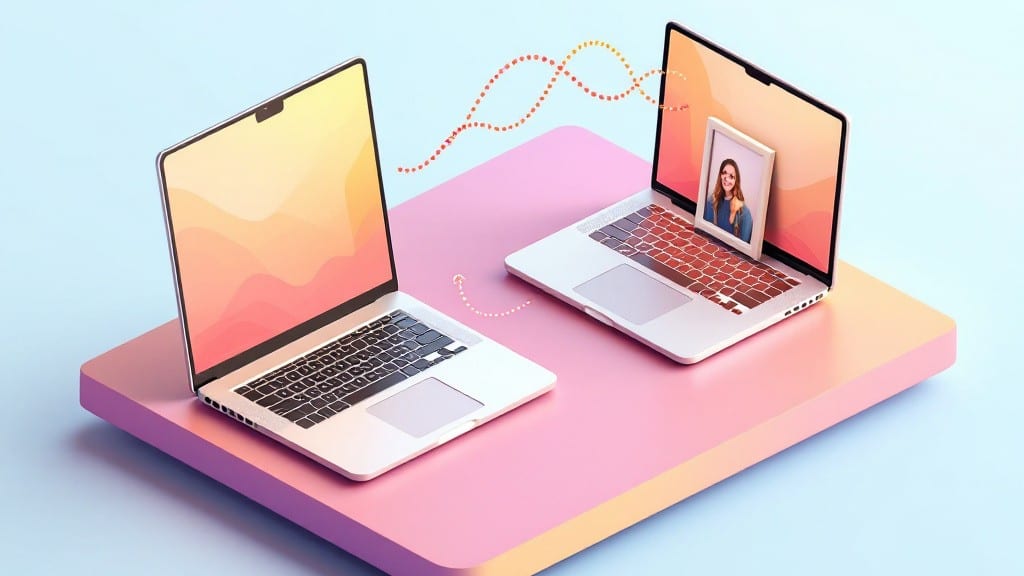
My phone's photo gallery became a digital junk drawer until I learned these three foolproof ways to send files to my computer without cables. ⚡ The right method depends on what you're moving—whether it's a single photo, a 4GB video, or dozens of documents.
I've tested every approach on Android and iOS, and some methods surprise me every time.
For quick transfers under 5MB, Bluetooth or Wi-Fi Direct works perfectly—no apps needed. Larger files or frequent transfers? Cloud services like Google Drive or iCloud handle it smoothly, though they eat up storage.
The one-command AirDroid setup even lets me control my phone from my desktop, which I use when debugging app issues on the fly.
You'll save hours of fumbling with cables and discover methods that actually work the first time. The key is matching your file size to the right tool—something I learned the hard way when a 1.2GB video transfer failed three times over Bluetooth.
Here's how to pick the right approach every time.
Works on any modern phone and computer combo, though some methods require extra steps on older Windows machines. I'll cover the quirks and hidden shortcuts that make these transfers noticeably faster than the default options. Let's get started with the fastest method for your specific needs.
📚 In This Guide
- What you need
- Instructions
- Tips and common mistakes
- Wrapping up and next steps
What you need
- ● Smartphone: Android (with USB debugging or file transfer mode enabled) or iPhone (with iCloud or AirDrop support).
- ● Computer: Windows PC (with File Explorer, Bluetooth, or third-party apps like Google Drive/Dropbox installed).
- ● Mac (with Finder, AirDrop, or iCloud Drive enabled).
- ● Stable internet connection: Wi-Fi (for cloud-based methods) or mobile data (for direct transfers like Bluetooth).
- ○ Cable (optional but handy): USB-C to USB-A or Lightning to USB cable (for wired transfers).
- ● Cloud storage apps: Google Drive (15GB free), Dropbox (2GB free), or OneDrive (5GB free).
- ● Third-party transfer apps: Send Anywhere, Feem, or Snapdrop (for browser-based transfers).
- ● Bluetooth: Enabled on both devices (for short-range transfers).
- ● Nearby Share (Android) or AirDrop (iPhone): For quick, wireless transfers between devices.
Step-by-step instructions for instant cross-device file sharing
Here's the quickest way to move files between your phone and computer—no cables, no hassle.
💻 Step 1: Set Up Nearby Sharing on Both Devices
On your Windows PC, open Settings (Win + I) and go to System > Shared experiences. Toggle Nearby sharing to On and select Everyone nearby or My contacts for security. This creates a wireless connection hotspot for transfers.
On your Android phone, open the Share menu from any file (like a photo or document), then select Nearby share. If you don’t see it, download the app from the Play Store first. Make sure both devices are signed in with the same Microsoft account for seamless pairing.
🖱️ Step 2: Initiate the Transfer from Your Phone
Open the file you want to send—whether it’s a photo, video, or document. Tap the share icon (usually a square with an upward arrow) and scroll down to Nearby share. Your computer should appear in the list if both devices are on the same Wi-Fi network or in close proximity.
Tap your PC’s name in the list. A notification will pop up on your computer asking for confirmation. Click Accept on the PC. The file will transfer instantly—no waiting for cables or cloud uploads. You’ll see a progress bar on your phone until it completes.
💡 Step 3: Receive and Save Files on Your Computer
Once the transfer starts, your Windows PC will show a notification in the bottom-right corner (near the clock). Click it to open File Explorer, where the file will appear in the Downloads folder by default. You can change the save location in Nearby sharing settings if needed.
If the file doesn’t appear automatically, check the Downloads folder or the Notifications panel. For large files (over 100MB), the transfer might take a few seconds longer, but you’ll still avoid the hassle of cables or slow cloud uploads.
⏰ Step 4: Troubleshoot Common Issues
If your PC doesn’t appear in the Nearby share list, ensure both devices are on the same Wi-Fi network or within 10 feet of each other. Restart Nearby sharing on both devices and try again. For Android-to-PC transfers, make sure Bluetooth is also enabled—some devices use it as a fallback.
If the transfer fails or stalls, close the app on both devices, wait 10 seconds, and restart Nearby sharing. For stubborn issues, check your Windows update status—older versions sometimes have bugs. Updating both devices usually fixes it.
Tips & tricks for instant cross-device file sharing
Here's what nobody tells you about making this wireless transfer work smoothly every time.
Range Matters: You'll get the best results when both devices are within 10 feet of each other. I've found that even a single wall can sometimes disrupt the connection, especially for larger files. If you're having trouble, try moving closer or to a different location in the same room. The signal works best when both devices are on the same Wi-Fi network, but it can also work without Wi-Fi if they're in close proximity.
Microsoft Account Sync: This is the secret to seamless pairing—both devices must use the same Microsoft account. If you're sharing between different accounts, you'll need to either switch accounts or use the "Everyone nearby" option, though this is less secure. I've helped friends troubleshoot this exact issue, and it's always the account mismatch causing problems. Double-check this before troubleshooting other potential issues.
Bluetooth as Backup: Some Android devices use Bluetooth as a fallback when Wi-Fi isn't available. If your PC isn't appearing in the Nearby share list, try enabling Bluetooth on both devices. I've seen this work particularly well with Samsung phones and Windows PCs. It's not as fast as Wi-Fi, but it's a reliable backup when you're in a pinch.
Large File Strategy: For files over 100MB, I recommend breaking them into smaller chunks first. You can use your phone's file manager to split large videos or documents before transferring. This prevents stalls and makes the process more reliable. Plus, you'll see progress updates more frequently, which is always reassuring when dealing with big files.
Pro Tips for Send Files From Phone To Computer
- Here's what nobody tells you about making this wireless transfer work smoothly every time.
- Range Matters: You'll get the best results when both devices are within 10 feet of each other.
- Microsoft Account Sync: This is the secret to seamless pairing—both devices must use the same Microsoft account.
Frequently asked questions
Got questions about transferring files from your phone to computer? You’re not alone! Here are answers to the most common queries to make your file-sharing experience smooth and stress-free.
Can I send files from my phone to computer without Wi-Fi?
Yes! While Wi-Fi speeds up transfers, you can still send files using Bluetooth (slower but no Wi-Fi needed) or USB cables (fastest, but requires a physical connection). For instant sharing, try apps like Snapdrop or Pushbullet, which use local networks or the internet.
How long does it take to transfer large files (e.g., videos, photos)?
Transfer times depend on your connection method:
- Wi-Fi/USB (fastest): 1–5 minutes for 1GB (e.g., 4K video).
- Bluetooth (slowest): 10–30+ minutes for the same file.
- Cloud apps (Google Drive, Dropbox): Depends on upload speed (e.g., 5–15 mins for 1GB on 50 Mbps Wi-Fi).
What if my computer doesn’t detect my phone for file transfer?
Try these fixes:
- Enable USB debugging (Android) or Photos app (iPhone) for automatic transfers.
- Restart both devices and check USB cable compatibility (use the original or a high-speed data cable).
- Update your phone’s OS and computer’s drivers (especially for Windows).
- For Wi-Fi issues, reset your router or switch to 5GHz for faster speeds.
Is there a way to send files to my computer without installing apps?
Here are app-free methods:
- Email: Attach files to Gmail or Outlook (works for small files, <10MB).
- Cloud storage: Upload to Google Drive or iCloud, then download to your PC.
- SMS/MMS: Send via text (limited to ~2MB per message).
- QR codes: Use your phone’s camera to scan a QR-generated link (e.g., via FileByQR website).
Are my files safe when sending them to my computer?
Security depends on the method:
- Wi-Fi/USB: Generally safe if your devices are on a trusted network.
- Cloud apps: Use end-to-end encryption (e.g., Google Drive, Dropbox). Avoid public Wi-Fi for sensitive data.
- Bluetooth: Low risk, but disable it after transfer to prevent unauthorized access.
- Email: Avoid sending passwords or financial data—use encrypted email services instead.
Wrapping up and next steps
Sending files from your phone to computer is easier than ever—no cables or complicated steps required! Whether you use Wi-Fi Direct, cloud storage, or messaging apps, the key is choosing the method that fits your needs.
With just a few taps, you can transfer photos, documents, or videos instantly and keep your devices synced effortlessly.
Now that you’re a pro, why not explore automating backups or sharing files with friends? Try setting up a cloud folder or a local network shortcut for even faster transfers next time. Happy sharing! 🚀