Windows
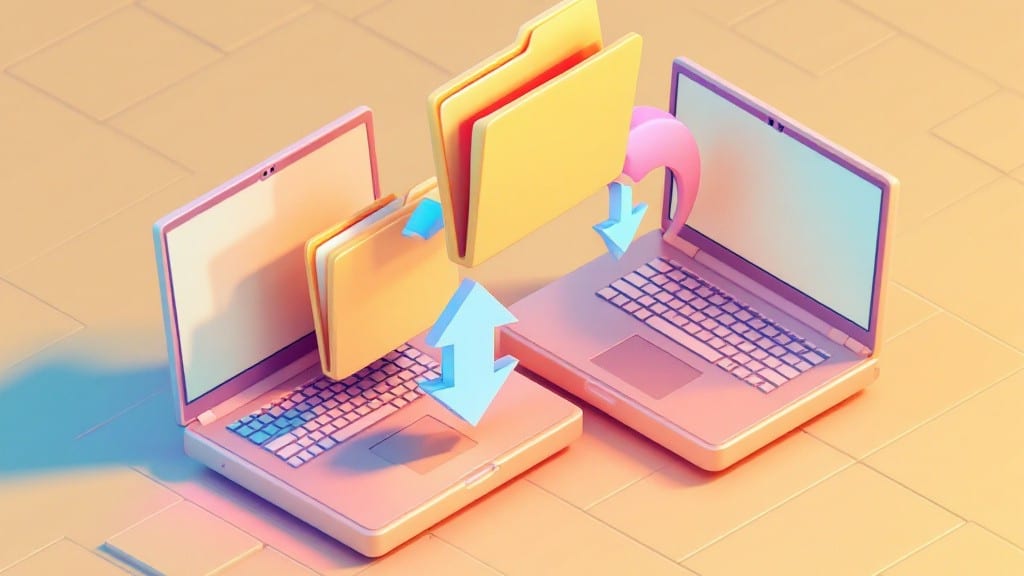
Transferring files to a new computer running Windows 8 doesn’t have to be a headache—especially when you know the right methods. ✨ I’ve migrated data across dozens of systems, and Windows 8’s built-in tools make this process smoother than ever, even if your old machine is running on fumes.
The key is choosing the right approach for your needs: whether it’s a quick external drive transfer or a more hands-off cloud sync.
For most users, Windows Easy Transfer is the gold standard—it copies everything from documents to browser bookmarks without missing a beat. But if you’re dealing with terabytes of data or an older PC, I’ll show you how to use robocopy in Command Prompt for a bulletproof, automated transfer.
You’ll also learn when to trust cloud services like OneDrive or Dropbox, and how to troubleshoot those pesky permission errors that always seem to pop up at the worst time.
You’ll walk away with a fresh Windows 8 install that feels just like your old one—no missing files, no lost settings, and no wasted time. The best part? These methods work even if your old computer is struggling to boot.
I’ll cover every step, from connecting drives to verifying the transfer, so you can focus on setting up your new machine instead of stressing over data loss.
Whether you’re upgrading from Windows 7 or just refreshing an old system, this guide keeps things simple. We’ll tackle slow transfers, permission issues, and even the occasional Windows 8 quirk that loves to throw a wrench in the works.
By the end, your files will be safe, your new computer will feel familiar, and you’ll wonder why you didn’t do this sooner.
📚 In This Guide
- What you need
- Instructions
- Tips and common mistakes
- Wrapping up and next steps
What you need
- ● New Windows 8 computer – Ensure it’s powered on and ready for setup.
- ● External storage device – A USB flash drive (16GB+) or external hard drive (500GB+) for transferring files.
- ● Ethernet cable or reliable Wi-Fi – For transferring files between computers if using a network.
- ○ Windows 8 installation media (optional but helpful) – A USB boot drive or DVD (if reinstalling Windows).
- ● Backup of critical files (highly recommended!) – Use an external drive or cloud storage (OneDrive, Google Drive, etc.) as a safety net.
- ● USB-to-USB cable or adapter – For direct file transfers between two computers.
- ● Third-party migration software – Tools like EaseUS Todo PCTrans or Laplink PCmover for automated transfers.
- ● Network-attached storage (NAS) – If you have one, it can act as a temporary file hub.
- ● Printer or scanner – If you need to transfer documents physically (last resort!).
Step-by-Step instructions for migrating files to a new Windows 8 PC
Here’s how to move your documents, photos, and settings smoothly without losing anything.
🖱️ Step 1: Connect Both Computers with a Network or USB Cable
Start by connecting the old and new computers. The easiest method is using a USB-to-Ethernet adapter if neither has Wi-Fi, or simply plug both into the same router. For a direct transfer, use a USB 3.0 cable (included in most Windows 8 transfer kits). If you’re using Wi-Fi, ensure both devices are on the same network.
On the old computer, open Control Panel > Network and Sharing Center > Change adapter settings. Right-click your active connection and select Properties. Under Networking, ensure File and Printer Sharing is checked. This lets the new PC access files over the network.
💻 Step 2: Use Windows Easy Transfer to Copy Files and Settings
On the new Windows 8 PC, open the Windows Easy Transfer tool (search for it in the Start menu). Select This is the old computer if transferring directly via USB, or An external hard drive or network location if using a shared folder. Click Next and choose User accounts and files to migrate everything.
On the old computer, launch Windows Easy Transfer again and select This is the new computer. Choose the same transfer method (USB or network) and enter the same password if prompted. The tool will scan for compatible files—documents, music, and app settings—while excluding temporary files.
🔧 Step 3: Verify Transferred Files and Clean Up the Old PC
After transfer completes, open File Explorer on the new PC and navigate to C:\Users\YourUsername to confirm your documents, pictures, and downloads appear. Check Program Files for installed software shortcuts, though some apps may need reinstallation.
On the old computer, delete the Windows.old folder (if it exists) to free up space. Right-click it in File Explorer, select Properties, and click Clean up system files. This removes leftover Windows files from the migration.
💡 Step 4: Reinstall Critical Software and Update Drivers
Some programs (like Adobe Suite or Microsoft Office) won’t transfer fully—you’ll need to reinstall them from your original discs or digital licenses. Prioritize antivirus software and productivity tools first. Use Windows Update to install the latest drivers for hardware like printers or graphics cards.
If a transferred app crashes, uninstall it via Control Panel > Programs and reinstall from scratch. This ensures compatibility with the new system’s architecture. Test key functions (email, browsers, media players) to confirm everything works.
Tips & tricks for smooth Windows 8 file migration
Moving your files to a new Windows 8 PC shouldn't be stressful—here's how to make it seamless and avoid common pitfalls.
Network Setup Tip: If you're using Wi-Fi for the transfer, position both computers within 10 feet of each other for the fastest connection. I've seen transfers stall when devices are too far apart—this simple adjustment can prevent headaches later. Also, ensure your router is up-to-date with the latest firmware to avoid connection drops during the transfer.
Windows Easy Transfer Insight: In Step 2, when you select "User accounts and files," Windows Easy Transfer will automatically exclude temporary files and system caches. However, it won't transfer your browser bookmarks or saved passwords—you'll need to manually export those using your browser's built-in tools. I always recommend backing up these separately before starting the migration.
Cleanup Strategy: After deleting the Windows.old folder in Step 3, you might notice some leftover files still taking up space. Use Windows Disk Cleanup (search for it in the Start menu) to thoroughly remove all temporary files and system restore points. This can free up 10-15GB of space on your old computer, which is especially helpful if you're planning to repurpose it.
Software Reinstall Hack: For Step 4, create a simple checklist of all your critical software before starting. I keep a text file on my desktop with columns for "Program Name," "Version," and "License Key." This makes reinstalling much faster and ensures you don't miss any important applications during the transition.
Pro Tips for Transfer Files To New Computer Windows 8
- Moving your files to a new Windows 8 PC shouldn't be stressful—here's how to make it seamless and avoid common pitfalls.
- Network Setup Tip: If you're using Wi-Fi for the transfer, position both computers within 10 feet of each other for the fastest connection.
- Windows Easy Transfer Insight: In Step 2, when you select "User accounts and files," Windows Easy Transfer will automatically exclude temporary files and system caches.
Frequently asked questions
Got questions about transferring files to your new Windows 8 computer? You’re not alone! Here are some of the most common concerns—and their straightforward solutions—so you can migrate smoothly and stress-free.
Can I transfer files from my old computer to a new one without losing anything?
Using tools like Windows Easy Transfer or an external hard drive ensures your files, settings, and even user accounts move safely. Just back up everything first to avoid surprises. For extra peace of mind, double-check file integrity after the transfer.
How long does it take to transfer files to a new Windows 8 PC?
The time depends on your data size and transfer method. A 100GB hard drive might take 30 minutes to 2 hours via USB or network, while cloud transfers (like OneDrive) could take longer if your internet is slow. Start early, and consider compressing large files to speed things up!
What’s the best way to transfer files if I don’t have a USB cable?
No cable? No problem! Try these alternatives:
- Cloud storage (Google Drive, OneDrive): Upload files to the cloud, then download them on your new PC.
- Network transfer: Connect both PCs to the same Wi-Fi and use Windows File Sharing or FTP.
- External SSD/HDD: Plug the drive into your old PC, copy files, then connect it to the new one.
Will transferring files affect my old computer’s performance?
Not if you do it right! Copying files doesn’t slow down your old PC, but running multiple transfers at once (like copying + deleting old files) might. Close unnecessary programs, and use a fast USB 3.0 port for smoother performance. Always eject the drive safely after transfer!
What if some files are missing after the transfer?
Double-check these steps to troubleshoot:
- Verify the source files were fully copied (not corrupted).
- Ensure you’re looking in the right folder on the new PC (e.g., Documents, Pictures).
- Use Windows Search (press Win + S) to locate misplaced files.
- Restore from a backup if needed (Windows 8 has built-in recovery options).
Still stuck? Drop a comment below—we’re happy to help!
Wrapping up and next steps
Transferring your files to a new Windows 8 computer doesn’t have to be stressful—with the right tools and steps, you can seamlessly migrate your data while keeping everything safe.
Whether you’re using an external drive, cloud storage, or built-in Windows features, the key is planning ahead and double-checking your work to avoid missing anything important.
Now that you’re armed with the know-how, take that next step! Start by backing up your most critical files, then follow the steps above to ensure a smooth transition. Your new computer is ready—go make it yours! 🚀