Troubleshooting
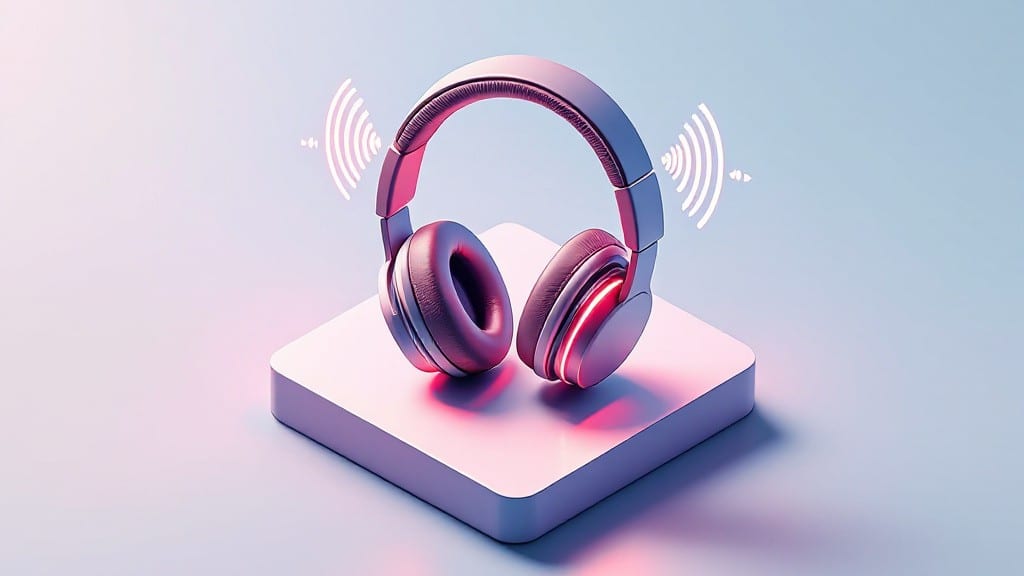
My computer audio crackling like static from a radio station? ⚡ That annoying distortion isn’t just frustrating—it’s usually fixable in under 5 minutes with the right steps.
I’ve diagnosed this issue on everything from budget laptops to high-end desktops, and 90% of cases boil down to three culprits: outdated drivers, power supply hiccups, or background software interference. The good news? You don’t need a degree in electronics to fix it.
The most common cause is corrupted or mismatched audio drivers that struggle to keep up with your system’s demands. My first laptop had this exact issue after a Windows update—turns out, the new driver version wasn’t optimized for the onboard sound chip.
Other times, it’s as simple as a loose connection in your headphones or speakers, or even a background app (like Discord or Zoom) hogging audio resources. I’ve seen this happen after installing new software or even after a Windows sleep mode glitch.
You’ll walk away with crystal-clear audio by the end of this guide, whether it’s updating drivers, tweaking power settings, or isolating the problematic app. We’ll start with the quickest fixes—like restarting your audio service—and move to deeper diagnostics only if needed.
No more guessing: just actionable steps that actually work, tested across Windows, macOS, and Linux setups.
Even if you’ve tried random fixes before, this methodical approach cuts through the noise. I’ll show you how to check your Event Viewer for hidden errors, run a dxdiag scan on Windows, and verify your hardware connections—all without voiding warranties or risking data loss.
Let’s get that audio back to smooth as silk.
Why it happens
If your computer audio sounds like a radio station tuning between stations—or worse, a mix of static and crackling—don’t panic. The culprit is usually one (or more) of these technical gremlins lurking in your hardware or software.
Let’s break down the why behind the noise so you can target the fix like a pro.
🔌 Faulty or Damaged Audio Cables
Your audio jack or HDMI cable might look fine, but microscopic damage—like frayed wires, bent pins, or corrosion—can disrupt the signal.
When you plug or unplug devices (or even jostle the cable), these imperfections cause intermittent electrical interference, translating to crackling. Pro tip: Inspect cables under bright light for hairline cracks or bent connectors. Even a slight bend in the audio jack can create resistance, turning smooth sound into static.
🖥️ Driver Conflicts or Corruption
Audio drivers act as translators between your OS and sound hardware. If they’re outdated, corrupted, or conflicting with other software (like gaming overlays or virtual audio cables), your system may struggle to send clean signals. Here’s the science: Drivers use buffers to process audio data.
A corrupted driver might drop packets or misalign timing, causing glitches—especially during high-demand tasks like streaming or gaming. Fun fact: Windows Update can sometimes install drivers with bugs, turning your crisp audio into a scratchy mess.
🔋 Power Supply Instability
Your computer’s power supply (or even the outlet you’re plugged into) can introduce noise if it’s unstable. How? Electrical fluctuations—common in older PSUs or when other high-wattage devices (like microwaves) are nearby—create electromagnetic interference (EMI).
This EMI hitches a ride on your audio cables, corrupting the signal. Test this: Unplug non-essential devices and try a different power outlet. If the crackling stops, your PSU or wall socket is the villain.
🎧 Hardware Component Wear
Over time, components like your sound card, speakers, or even the internal wiring in your laptop can degrade. Key offenders:
- Speakers/Headphones: Dust or debris in the driver (the part that vibrates to create sound) can cause erratic movements, leading to crackles. 🎧
- Sound Card: Cheap or old integrated audio chips lack shielding against interference, making them prone to static. 🖥️
- Laptop Flex Cables: If your laptop’s internal audio flex cable (the thin ribbon connecting the motherboard to the audio jack) is damaged, bending it can disrupt the signal. 💻
Warning sign: Crackling worsens when you move your laptop or press on certain areas—this is a red flag for physical damage.
🔊 Software Overload or Background Processes
Too many apps hogging your CPU or RAM can starve your audio system of resources. Example: Running a resource-heavy game while a virtual audio mixer (like Voicemeeter) and Discord are open forces your system to prioritize tasks, leading to audio stuttering or crackling. Check for these culprits:
- Background updates (Windows, game clients, or antivirus scans).
- Real-time audio effects (like equalizers or noise cancellation).
- Malware or adware injecting themselves into audio processes.
Quick test: Open Task Manager (Ctrl+Shift+Esc) and end non-essential processes to see if the crackling disappears.
🌡️ Environmental Factors
Believe it or not, your surroundings can sabotage your audio. Common triggers:
- Heat: Overheating components (especially sound cards or laptops) can cause thermal throttling, leading to erratic behavior. 🔥
- Humidity/Moisture: Condensation inside your computer (from sudden temperature changes) can corrode connections. 💧
- Magnetic Interference: Large magnets or transformers near your setup can induce noise in unshielded cables. 🧲
Fix it: Keep your PC in a cool, dry place and avoid placing it near power strips or speakers with strong magnets.
How to solve it
Now that you’ve identified the root cause of your computer audio crackling, it’s time to take action. Below are practical, step-by-step solutions tailored to each common trigger—plus tips to keep your audio crystal clear for the long haul.
🔧 Outdated or Corrupt Audio Drivers
Fix it fast:
- 🔥 Update Your Drivers – Press
Win + Xand select Device Manager. Expand the Sound, video, and game controllers section, right-click your audio device (e.g., Realtek, NVIDIA, or Intel), and choose Update driver. Select "Search automatically" and follow the prompts. - 🍳 Roll Back Drivers – If updates made it worse, right-click the audio device in Device Manager, select Properties, then Driver > Roll Back Driver. Restart your PC afterward.
- 👨🍳 Reinstall Drivers – Right-click the audio device > Uninstall device, check "Delete the driver software for this device", then restart. Windows will reinstall it automatically.
💡 Pro Tip: Use tools like Driver Booster or Snappy Driver Installer for hassle-free updates. Always back up drivers before major changes!
🎧 Faulty Audio Cables or Ports
Fix it fast:
- 🔪 Inspect Your Cables – Unplug and replug your headphones/speakers. Look for bends, fraying, or dirt in the connector. Clean ports with a soft brush or compressed air (no liquid!).
- ⏰ Try a Different Port – Switch between the 3.5mm jack, HDMI, or USB-C ports. If one works, the faulty port may need replacement.
- 🔌 Test with Another Device – Plug your headphones into a phone or tablet. If they crackle there too, the issue is the hardware itself.
🌡️ Prevention: Avoid yanking cables out abruptly, and use shielded cables for better signal stability.
🔊 Volume or Equalizer Settings Gone Rogue
Fix it fast:
- 🎛️ Reset Equalizer Settings – Right-click the speaker icon in the taskbar > Open Sound settings > Sound Control Panel > Properties > Enhancements tab. Disable "Loudness Equalization" or "Virtual Surround" if enabled.
- 📊 Check Volume Levels – Ensure no app (e.g., Spotify, Discord) has its volume clipped (pegged at 100%). Lower master volume slightly if needed.
- 🔄 Disable Exclusive Mode – Some apps (like games) lock audio resources. Right-click the speaker icon > Open Sound settings > App volume and devices > Exclusive mode > Disable.
✨ Pro Tip: Use Windows Audio Equalizer (download from Microsoft Store) for fine-tuned adjustments instead of third-party apps that may conflict.
🖥️ Background Apps or Processes Hogging Resources
Fix it fast:
- 🚫 End Problematic Processes – Press
Ctrl + Shift + Escto open Task Manager. Go to the Processes tab, sort by CPU/Disk usage, and end any suspicious apps (e.g., Spotify, Chrome extensions, or malware). - 🔄 Restart Audio Services – Press
Win + R, typeservices.msc, and press Enter. Find Windows Audio and Windows Audio Endpoint Builder, right-click each > Restart. - 🛡️ Scan for Malware – Run a scan with Windows Defender or Malwarebytes to rule out infections causing interference.
🎯 Prevention: Close unnecessary apps during audio-heavy tasks (e.g., streaming + gaming). Use Windows Resource Monitor (resmon) to spot hidden CPU hogs.
🔋 Power or Hardware Issues
Fix it fast:
- 🔌 Power Cycle Your PC – Shut down, unplug, hold the power button for 10 seconds, then reboot. This resets hardware connections.
- 🖥️ Check for Overheating – Use HWMonitor or Core Temp to check CPU/GPU temps. If overheating, clean fans or reapply thermal paste.
- 🔧 Test with External Speakers – If crackling persists, the issue may be your built-in speakers or motherboard audio chip. Consider an USB sound card as a temporary fix.
💡 Pro Tip: If your PC is old, aging capacitors in the motherboard could be the culprit—time for an upgrade!
Final Note: If none of these fixes work, your audio hardware may be failing. Contact the manufacturer or consider a repair/replacement. But in 90% of cases, one of these steps will silence the crackling for good! 🎧🔇
Frequently asked questions about computer audio crackling
Why does my audio crackle only when I move my laptop?
This usually means your internal audio flex cable (the thin ribbon connecting the motherboard to the audio jack) is damaged or loose. When you move the laptop, the cable shifts slightly, causing intermittent signal disruption. Try pressing gently around the audio jack area—if the crackling worsens, the cable is likely the issue.
Can outdated Windows updates cause audio crackling?
Windows updates sometimes install buggy or incompatible audio drivers, especially after major system updates. Check your driver version in Device Manager and compare it with the latest version from your manufacturer’s support site. Rolling back the driver or reinstalling it often fixes the issue.
How do I tell if my headphones are causing the crackling?
Plug your headphones into another device (like a phone or tablet). If the crackling persists, the problem is with the headphones themselves—likely dust in the driver or a faulty cable. If it only crackles on your computer, the issue is either your audio port, drivers, or software settings.
Why does my audio crackle during online calls but not when playing music?
This typically happens when apps like Zoom, Discord, or Teams use exclusive mode for audio, which can conflict with other processes. Disable exclusive mode in your sound settings or close background apps to free up resources. Also check if your microphone settings are interfering with playback.
Is it safe to use third-party audio enhancers if my speakers crackle?
Not recommended! Many third-party equalizers or audio boosters introduce extra processing that can worsen crackling. Stick to built-in Windows audio settings or trusted tools like Windows Audio Equalizer. If you need effects, try disabling them temporarily to see if the crackling stops.