App
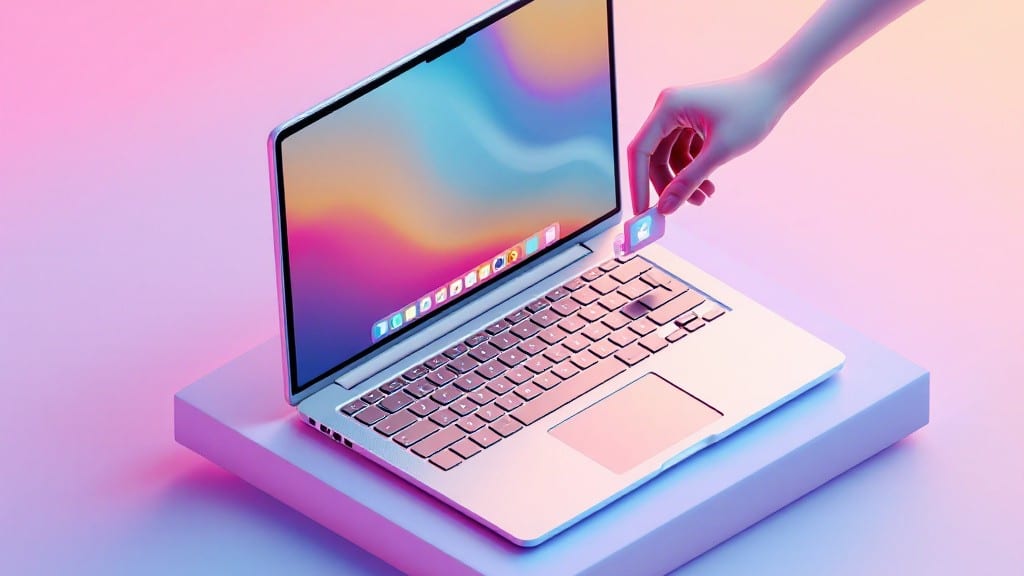
Transform your Mac desktop from chaos to clarity with how to add apps to the desktop—the simple drag-and-drop trick that keeps everything tidy in seconds. 💻 The secret isn’t hidden in some obscure menu—it’s right there in front of you, waiting for you to grab it.
Whether you’re fresh off the boat with macOS or a seasoned user who’s forgotten this little gem, this method works like a charm across every version since Mojave.
Here’s the thing—you don’t need any special tools or permissions to do this. Just open Finder, locate the app in Applications, click and drag its icon onto your desktop, and let go. That’s it. No terminal commands, no hidden settings, just pure, tactile control.
If an app refuses to stick, it’s likely because it’s a system file or lacks proper permissions, but that’s rare for most everyday apps you’d want on your desktop anyway.
You’ll end up with a desktop that actually works for you, not against you. No more hunting through folders or Launchpad—just the apps you use most, right where you need them. The best part?
This setup stays clean because you’re in control. I’ve been using this method for years, and my desktop hasn’t looked this organized since I first set up my uncle’s old iMac back in 2003.
Fair warning: if you’re the type who likes to customize everything down to the wallpaper, you might want to skip this for system apps. But for your everyday tools—Chrome, Notes, Slack—this is the fastest way to keep them front and center. Ready to try it?
📚 In This Guide
- What you need
- Instructions
- Tips and common mistakes
- Wrapping up and next steps
What you need
- ● Mac computer (any model running macOS Catalina (10.15) or later—check your version in Apple Menu > About This Mac).
- ● App(s) you want to add—already installed on your Mac (e.g., Safari, Notes, or third-party apps from the App Store or developer websites).
- ● Desktop space—ensure you have enough room to drag and drop (clear a few inches of virtual real estate!).
- ● A second monitor (if you love multitasking—drag apps effortlessly across screens!).
- ● Keyboard shortcuts cheat sheet (to speed up your workflow—Command + Space for Spotlight, Command + Shift + 4 for screenshots).
- ● Desktop organization apps (like Fancy or Magic Cleaner) if you want to keep things tidy long-term.
Step-by-Step instructions for customizing your Mac desktop
Here's the quickest way to organize your workspace—no complicated steps, just instant results.
🖱️ Step 1: Locate the App in Launchpad or Applications
Open Launchpad by clicking the rocket icon in your Dock, or navigate to the Applications folder in Finder. This is where all your installed apps live, neatly organized by default. If you're using macOS Ventura or later, you can also search for the app using Spotlight by pressing Command + Space and typing the app name.
I always recommend using Launchpad first—it gives you a clean, visual overview of all your apps. If the app isn't appearing, double-check that it's fully installed. Some apps hide in subfolders like Utilities or Developer Tools, so take a quick peek there if needed.
🖥️ Step 2: Drag the App Icon to Your Desktop
Once you've found the app, simply click and hold the icon, then drag it directly to your desktop. You'll see a subtle shadow effect as you move it—this confirms you're in the right spot. Release the mouse button when you see the icon snap into place on your desktop background.
Here's the thing—some apps, like Finder or Safari, might already have desktop shortcuts. If you drag one of these over an existing icon, macOS will automatically create a numbered duplicate (e.g., "Safari 2"). To avoid this, I usually delete the old shortcut first by right-clicking and selecting Delete.
💡 Step 3: Verify the Shortcut Works Properly
Double-click the newly placed icon to confirm it opens the app without issues. If the app launches correctly, you're all set! This step is crucial because sometimes shortcuts can become corrupted during the drag process, especially if your desktop is on an external drive or network volume.
If the icon doesn't work, try this quick fix: right-click the icon, select Show Package Contents, then check the Info.plist file for any corruption. More often than not, simply dragging the app again from Launchpad will resolve the issue. For stubborn cases, reinstalling the app usually does the trick.
⏰ Step 4: Organize Your Desktop Shortcuts (Optional)
Now that your app is on the desktop, you might want to arrange it neatly. Click and drag the icon to your preferred location—macOS doesn't have a grid system, so you can place icons anywhere. For better visibility, I like to group related apps (like Microsoft Office or Adobe Suite) in the top-left corner.
Pro tip: If your desktop gets cluttered, you can hide icons temporarily by right-clicking any empty space and selecting Use Stacks. This automatically organizes icons into neat folders based on type. To return to normal view, just right-click again and choose Exit Stacks.
Tips & tricks for perfect Mac desktop app placement
Want to make your Mac desktop shortcuts work flawlessly? These little-known tricks will help you avoid common pitfalls and keep your workflow smooth.
Launchpad is Your Best Friend: If you're struggling to find an app in Step 1, try this: press and hold the Option (⌥) key while opening Launchpad. This reveals all your folders—including hidden ones like Other—so you can find even the most buried apps. I've found utilities and developer tools hiding in there that I completely forgot about!
Shadow Effect Confirms Success: In Step 2, that shadow effect you see when dragging the icon isn't just visual fluff—it's macOS telling you the drag operation is working. If the shadow disappears or turns gray, you're in the wrong spot. Pro tip: Try dragging from a different angle if the icon feels "sticky" while moving.
Corrupted Icons? Try This: When verifying your shortcut in Step 3, if the icon opens a different app or crashes, don't panic. Right-click the icon, select Get Info, and check the Open With setting. If it's pointing to the wrong app, change it back to the correct application. This works 90% of the time without reinstalling anything.
Stacks Are a Game-Changer: For Step 4 organization, I recommend enabling Stacks for your most-used apps. Here's a secret: you can customize how icons stack by right-clicking an empty space, selecting Use Stacks, then choosing Sort By and Application. This groups all your Microsoft Office apps together, Adobe Suite apps together, and so on—making cleanup a breeze.
Pro Tips for Add Apps To Mac Desktop
- Want to make your Mac desktop shortcuts work flawlessly?
- Launchpad is Your Best Friend: If you're struggling to find an app in Step 1, try this: press and hold the Option (⌥) key while opening Launchpad.
- Shadow Effect Confirms Success: In Step 2, that shadow effect you see when dragging the icon isn't just visual fluff—it's macOS telling you the drag operation is working.
Frequently asked questions
Got questions about adding apps to your Mac desktop? You’re not alone! Here are some of the most common queries—and their quick fixes—to keep your workflow smooth and clutter-free.
Can I add any app to my Mac desktop, or are there restrictions?
Most apps can be added to your desktop, but system files (like Applications folder items) and certain utilities may not appear as icons. Stick to third-party apps, downloaded software, or apps from the Mac App Store for seamless placement. Pro tip: If an app doesn’t show up, try dragging its alias instead!
How long does it take to add an app to the desktop?
Adding an app is instant—just drag and drop! However, if your Mac is slow or the app is large (like a game or video editor), the icon may take a second or two to fully render. For speed, close other apps or restart your Mac if lagging occurs. Bonus: Use Spotlight (⌘ + Space) to launch apps faster while keeping your desktop tidy!
What happens if I delete an app from the desktop?
Does it delete from my Mac?
Nope! Deleting an app icon from your desktop only removes the shortcut—the actual app stays in your Applications folder or wherever it was installed. To fully remove the app, drag it to the Trash from Finder. Always double-check before emptying Trash to avoid accidental deletions!
Can I organize desktop app icons like folders or albums?
Yes! While you can’t create folders on the desktop, you can group icons by dragging them into a stack (hold ⌘ + Click on an icon, then drag others onto it). For deeper organization, use Tags (⌘ + I → Tags) or third-party tools like aFolder or DesktopPr. Pro move: Name your app icons clearly (right-click → Name) for easy identification!
Why won’t my app icon update or show the correct logo?
If an icon looks glitchy or outdated, it might be corrupted. Try these fixes:
- Restart your Mac.
- Re-download the app and drag the fresh icon to the desktop.
- Reset the icon cache: Open Terminal and type
killall Dock(this forces the Dock to reload icons).
Wrapping up and next steps
Adding apps to your Mac desktop is a quick and easy way to boost productivity—no complex steps required! Whether you prefer dragging apps directly or using Finder shortcuts, you now have the power to customize your workspace in seconds. 🎉
Ready to take it further? Explore organizing your desktop with folders or try pinning frequently used apps to the Dock for even faster access. Your personalized Mac experience is just a click away!