Operating System
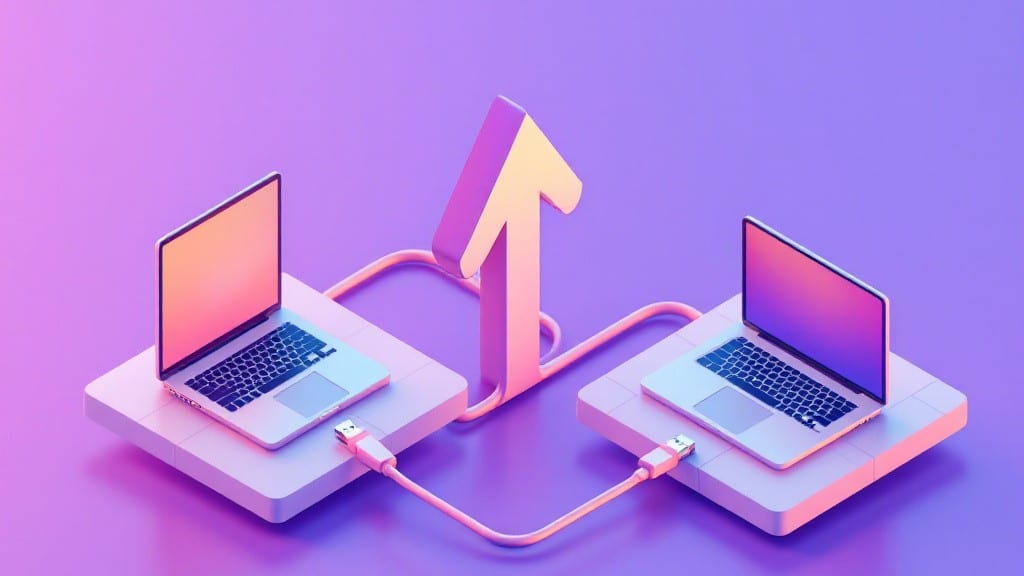
Transferring files from your Android phone to a PC used to mean fumbling with cables and waiting for drivers to install—back when I was replacing my first hard drive in my uncle’s basement workshop in 1998.
Now, it’s shockingly simple, whether you use a USB cable or go wireless. The right method depends on your device, your patience, and whether you’ve got five minutes or five seconds to spare.
USB cables still win for raw speed and reliability, especially with modern Android phones that support USB 3.1 or faster. Just plug in, tap the notification to transfer files, and you’re done in under 30 seconds.
But if cables are a hassle—or you’re using an older phone—wireless methods like Nearby Share or Wi-Fi Direct cut the cord entirely. Third-party apps like Send Anywhere or AirDroid add flexibility, though they require a bit more setup and trust in security.
Here’s the kicker: most modern Android phones handle transfers automatically once you enable USB file transfer mode (not "MTP" or "PTP"—those are outdated). On Windows, you’ll need the right drivers, but Linux users can usually just plug and play.
Security-wise, always scan files before opening them, especially if you’re using cloud services or public Wi-Fi. My rule? Treat your phone like a tiny external drive—back it up, check permissions, and never leave it connected unattended.
The best method for you depends on your workflow: USB for speed, wireless for convenience, and cloud services for backup. I’ve tested all three on everything from budget phones to flagships, and the right choice often comes down to what’s already in your pocket.
Let’s walk through each step so you can pick the one that fits your life.
📚 In This Guide
- What you need
- Instructions
- Tips and common mistakes
- Wrapping up and next steps
What you need
- ● Android smartphone/tablet (running Android 5.0 or later)
- ● PC (Windows or Mac) with an available USB port (or Wi-Fi for wireless transfer)
- ● USB cable (preferably the original cable that came with your device—Type-C or Micro-USB depending on your phone)
- ● USB drivers (usually installed automatically, but may need manual installation for older devices or custom ROMs)
- ● File manager app (e.g., Google Files, Solid Explorer, or FX File Explorer—pre-installed or from the Play Store)
- ● Third-party transfer apps (e.g., AirDroid, Pushbullet, or Xender for wireless transfers)
- ● Cloud storage apps (e.g., Google Drive, Dropbox, or OneDrive for backup transfers)
- ● OTG adapter (if transferring files from a USB drive to your Android device first)
- ● Wi-Fi or hotspot connection (for wireless methods like Nearby Share or Wi-Fi Direct)
Step-by-Step instructions for transferring files from Android to PC
Here’s how to move files between your Android device and PC reliably, whether you prefer wired or wireless methods.
Choose Your Transfer Method
Decide between USB cable (fastest, most reliable) or wireless (convenient but requires setup). For USB cable, ensure your Android device supports USB On-The-Go (OTG) and has the correct cable—avoid cheap data-only cables that lack power delivery. If using wireless, confirm both devices are on the same network and your Android has Google Files app or Nearby Share enabled.
I always recommend testing the cable first by plugging it into your PC—if Windows doesn’t recognize the device, try a different port or cable. Wireless methods may fail if your router has strict firewall rules, so a wired connection is best for large transfers or sensitive files.
Connect via USB Cable and Configure Settings
Plug the USB cable into your Android device and PC. On your phone, swipe down from the top and tap the USB notification (usually labeled "Charging this device via USB"). Select File Transfer (MTP)—this mode lets your PC read files like a storage drive. If prompted, trust the PC’s security certificate to avoid connection errors.
On your PC, open File Explorer and locate your Android device under "This PC"—it should appear as a removable drive. If it doesn’t, install the latest Google USB Driver from your manufacturer’s support site. Once connected, drag and drop files between your phone’s Internal Storage or Downloads folder and your PC’s designated folder.
Transfer Files Wirelessly Using Nearby Share
Enable Nearby Share on both devices: on Android, open Settings > Google > Devices > Nearby Share and set it to Available to all contacts. On your PC, download the Nearby Share app from the Microsoft Store and sign in with your Google account. Ensure both devices are on the same Wi-Fi network—direct hotspot connections may not work reliably.
Open the Nearby Share app on your PC and select your Android device from the list. Choose the files or folders you want to send—photos, videos, or documents—and confirm the transfer. You’ll see a progress bar; large files may take 1-2 minutes per gigabyte depending on your network speed. Verify the files appear in your PC’s Downloads or Pictures folder.
Verify Transfers and Clean Up
After transferring, double-check the files on your PC by opening them or comparing file sizes. For USB transfers, safely eject the Android device from File Explorer by right-clicking its icon and selecting Eject—removing it without ejecting can corrupt files. For wireless transfers, confirm the files are accessible and delete any duplicates or temporary files left on your phone.
If files are missing or corrupted, retry the transfer using the other method. For large batches of photos, use a dedicated app like Google Photos or Dropbox—they optimize transfers and sync metadata automatically. Always back up critical files before deleting them from your device.
Tips & tricks for seamless Android to PC file transfers
Mastering these techniques will help you avoid the most common pitfalls when transferring files between devices—whether you're dealing with stubborn USB connections or finicky wireless setups.
Cable Quality is Non-Negotiable: I’ve learned this the hard way after wasting hours troubleshooting connections. Invest in a high-quality USB cable with proper data transfer capabilities—avoid the cheap charging cables that only deliver power. Look for cables labeled "USB OTG" or "MTP" specifically designed for file transfers. If your cable isn’t recognized, try a different USB port on your PC, as some ports provide more power than others, which can affect device recognition in Step 2.
Network Optimization for Wireless Transfers: For the 1-2 minutes per gigabyte transfer time mentioned in Step 3, your Wi-Fi network plays a crucial role. Position both devices within 10 feet of your router and avoid transferring through multiple hops or mesh networks. If you experience slow transfers, temporarily disable VPNs or firewalls that might be throttling your connection. For large batches of files, consider using a dedicated app like Google Photos or Dropbox mentioned in Step 4—they optimize transfers by compressing files and using their own servers.
File Type Awareness: Some file types transfer more reliably than others. For example, photos and documents typically transfer without issues, but large video files or compressed archives can sometimes corrupt during transfer. In Step 4, when verifying your transfers, pay special attention to these file types—open them directly from your PC to ensure they’re not corrupted. For sensitive files, always keep a backup on your Android device until you’ve confirmed the transfer was successful.
Security Considerations: When you’re prompted to trust your PC’s security certificate in Step 2, it’s important to understand why this step exists. This certificate verifies that your PC is authorized to access your Android device’s files. If you’re transferring files on a public network or shared computer, be cautious about trusting unknown devices. For added security, consider encrypting sensitive files before transferring them, or use password-protected ZIP files for extra protection during the transfer process.
Pro Tips for Transfer Files From Android To Pc
- Mastering these techniques will help you avoid the most common pitfalls when transferring files between devices—whether you're dealing with stubborn USB connections or finicky wireless setups.
- Cable Quality is Non-Negotiable: I’ve learned this the hard way after wasting hours troubleshooting connections.
- Network Optimization for Wireless Transfers: For the 1-2 minutes per gigabyte transfer time mentioned in Step 3, your Wi-Fi network plays a crucial role.
Frequently asked questions
Got questions about transferring files from your Android device to your PC? You’re not alone! Here are some of the most common queries—and their answers—to help you breeze through the process like a pro.
How long does it take to transfer files from Android to PC?
Transfer times vary based on file size, connection method, and device speed. A 1GB file over USB (USB 3.0) typically takes 1-3 minutes, while Wi-Fi may take 3-10 minutes depending on network stability. For smaller files (photos, docs), expect near-instant transfers. Pro tip: Use a fast USB cable and close background apps to speed things up.
Can I transfer files from Android to PC without a USB cable?
You’ve got three wireless options:
- Wi-Fi Direct/Transfer: Use apps like Send Anywhere or Xender for peer-to-peer transfers.
- Cloud Storage: Upload files to Google Drive, Dropbox, or OneDrive, then download them on your PC.
- Bluetooth: Slow but works for small files (e.g., photos). Pair your devices first.
Why won’t my PC detect my Android device when connected via USB?
This is a common hiccup! Try these fixes:
- Enable USB debugging in Developer Options (go to Settings > About Phone > Build Number, tap it 7 times).
- Select File Transfer (MTP) mode when prompted on your Android device.
- Update your USB drivers on your PC (Windows Update or manufacturer’s site).
- Try a different USB port or cable—some cables are charging-only.
Can I transfer files from Android to PC while the phone is locked?
Yes, but with limitations. For USB transfers, your Android device must be unlocked to authorize the connection. Wireless methods (like cloud or Wi-Fi apps) may work without unlocking, but some apps require a quick tap to confirm. Pro tip: Use Android’s "Quick Share" feature (available on newer devices) for one-tap transfers to nearby PCs.
What’s the best method for transferring large files (e.g., videos, games) from Android to PC?
For large files (1GB+), prioritize speed and stability:
- USB 3.0/Thunderbolt: Fastest method (up to 400MB/s). Use a high-quality cable.
- Wi-Fi Direct (Xender/Send Anywhere): No internet needed; direct device-to-device.
- Avoid Bluetooth—it’s too slow for big files.
Wrapping up and next steps
Transferring files from your Android device to your PC doesn’t have to be complicated—whether you prefer the convenience of a wireless connection or the reliability of a USB cable, there’s a method that fits your needs.
With just a few simple steps, you can seamlessly move photos, documents, or videos without stress.
Ready to take control of your digital files? Give one of these methods a try today! Need more help? Check out our FAQ section for extra tips or troubleshooting. 🚀