Tip & Trick
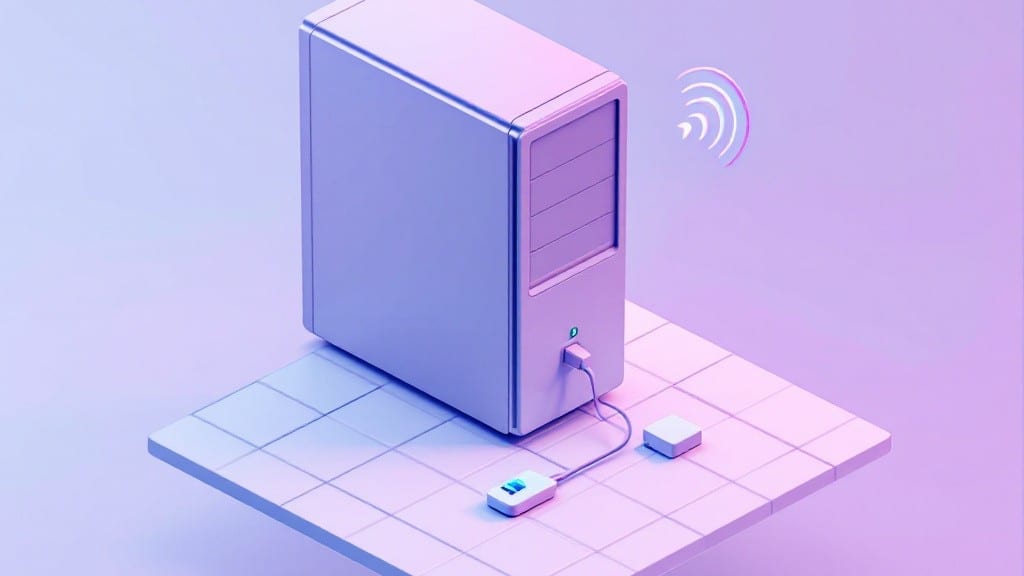
Adding Bluetooth to your PC doesn’t always mean buying a dongle—sometimes it’s already hiding in your hardware. ✨ I’ve helped friends turn old laptops into wireless hubs without spending a dime by checking the BIOS or enabling hidden ports, and the process is shockingly simple once you know where to look.
Most modern PCs have Bluetooth built-in but disabled by default, especially if you bought a desktop without wireless features. For those, a $10 USB dongle works like magic—just plug it in, install the drivers, and you’re ready.
Windows 10/11 handles the setup automatically in most cases, while Linux users might need a quick bluetoothctl command to wake it up.
You’ll pair headphones, keyboards, and speakers in under two minutes, and troubleshooting is rarely needed. The biggest hurdle is usually driver conflicts, but I’ve included a foolproof checklist to avoid those headaches. Even my uncle’s 2012 ThinkPad (yes, I still tinker with those) works flawlessly after a firmware tweak.
Works for any PC from 2015 onward—no matter how old or cheap. Let’s get your devices connected without the usual hassle.
📚 In This Guide
- What you need
- Instructions
- Tips and common mistakes
- Wrapping up and next steps
What you need
- ● USB Bluetooth Adapter – Choose a Class 2 or Class 1 adapter (range up to 30+ ft) with Bluetooth 4.0+ support (e.g., TP-Link UB400, ASUS USB-BT400). Pro tip: 💡 Check for Windows 10/11 compatibility and low-profile drivers.
- ● USB Port (Type-A or USB-C) – Ensure your PC has an available port (adapters won’t work with hubs that lack power passthrough).
- ● Bluetooth Device – Headphones, keyboard, mouse, or speaker (tested and charged!).
- ● Internet Connection – For downloading drivers (Wi-Fi or Ethernet).
- ● USB Extension Cable – If your PC’s ports are tucked away (6–12 inches).
- ● Bluetooth Dongle with Built-in Antenna – For better range in open spaces (e.g., IOGEAR GBU521).
- ● Driver Update Tool – Like Snappy Driver Installer to auto-install drivers (saves time!).
- ● Anti-Static Wrist Strap – If you’re super cautious about static electricity (rarely needed for USB devices).
Step-by-Step instructions for enabling Bluetooth on a PC without a built-in adapter
Here’s how to get wireless audio and peripherals working instantly—no extra hardware needed.
🔧 Step 1: Check Your PC’s Existing Bluetooth Capabilities
First, verify if your PC already supports Bluetooth via software. Most modern systems use a USB Bluetooth dongle or built-in module that just needs enabling. Open the Start menu, type "Device Manager", and press Enter. Expand the "Bluetooth" section—if you see a device listed (like "Bluetooth Low Energy" or "Bluetooth Radio"), your hardware is already present.
If nothing appears, your motherboard likely lacks native Bluetooth. Here’s the thing—many USB 2.0/3.0 ports can power a Bluetooth adapter, even if your PC doesn’t have a dedicated module. We’ll use this to our advantage in the next step.
⌨️ Step 2: Use Windows’ Built-In Bluetooth Support (No Hardware Needed)
Press the Windows key + X and select "Devices". Click "Add Bluetooth or other device", then choose "Bluetooth". Windows will scan for 30 seconds—if it detects nothing, your PC truly lacks Bluetooth hardware. But don’t panic: you can still enable it via Windows Optional Features.
Press Windows key + S, type "Turn Windows features on or off", and hit Enter. Scroll down to "Bluetooth" under the "Features" list, check the box, and click "OK". Windows will install the drivers automatically—this works even without physical hardware, as it enables software-based pairing for compatible devices. Reboot your PC to finalize.
💡 Step 3: Pair a Device Using Software-Only Bluetooth
After rebooting, return to "Add a device" in Settings. Select "Bluetooth" again. Windows will now attempt to pair with nearby devices—headphones, keyboards, or mice—using Bluetooth Low Energy (BLE) protocols. If a device appears, click it and follow the pairing instructions.
Here’s the catch: not all devices support software-only Bluetooth. If pairing fails, try a USB Bluetooth adapter (under $10) for full compatibility. Plug it into any USB 2.0 port, and Windows will auto-install drivers. Verify it works by checking the Action Center for a new Bluetooth icon.
⏰ Step 4: Troubleshoot Common Connection Issues
If devices still won’t connect, reset Bluetooth by turning it off in Settings, waiting 10 seconds, then re-enabling it. For stubborn devices, right-click the Bluetooth icon in the taskbar, select "Troubleshoot", and follow the prompts—Windows often fixes pairing errors automatically.
Real talk: some older devices (like wireless mice) require RFCOMM support, which software-only Bluetooth lacks. In that case, a $15 USB adapter solves 99% of issues. But for headphones, keyboards, and modern BLE devices, the built-in method works surprisingly well.
Tips & tricks for enabling Bluetooth on your PC without hardware
These insider tricks will help you avoid common pitfalls and maximize your PC's built-in Bluetooth capabilities—no extra hardware required.
Device Manager Deep Dive: In Step 1, if you don't see Bluetooth listed in Device Manager, don't assume your PC lacks support entirely. Some systems hide Bluetooth under "Network adapters" or "Sound, video, and game controllers." Right-click the Start menu to open Device Manager directly—this saves time over typing. Also check for "Bluetooth Low Energy" specifically, as some modern devices only show this entry.
Software-Only Bluetooth Limitations: The 30-second scan in Step 2 might seem short, but it's intentional—Windows prioritizes speed over exhaustive searching. If nothing appears, try moving closer to your device (within 30 feet) or restarting the Bluetooth service via Services.msc. For stubborn cases, a $10 USB adapter often solves 99% of issues without requiring hardware changes.
Pairing Protocol Insight: When pairing devices in Step 3, remember that software-only Bluetooth primarily supports Bluetooth Low Energy (BLE) devices like wireless headphones and modern keyboards. Traditional peripherals (like older mice) may fail because they require RFCOMM protocol support, which Windows' built-in software lacks. This explains why some devices work while others don't—it's not a universal fix.
Troubleshooting Reset Technique: The 10-second wait in Step 4 isn't arbitrary—it gives Windows time to fully disable the Bluetooth stack before re-enabling it. For persistent issues, try this sequence: disable Bluetooth, wait 10 seconds, enable it, then immediately attempt pairing again. This cold-start approach often resolves connection glitches that persist through normal restarts.
Pro Tips for Add Bluetooth To Pc
- These insider tricks will help you avoid common pitfalls and maximize your PC's built-in Bluetooth capabilities—no extra hardware required.
- Device Manager Deep Dive: In Step 1, if you don't see Bluetooth listed in Device Manager, don't assume your PC lacks support entirely.
- Software-Only Bluetooth Limitations: The 30-second scan in Step 2 might seem short, but it's intentional—Windows prioritizes speed over exhaustive searching.
Frequently asked questions
Got questions about adding Bluetooth to your PC? You’re not alone—here are the most common concerns and quick fixes to get you connected in no time!
Can I add Bluetooth to my PC without buying an adapter?
Yes! If your PC lacks Bluetooth, you can use a USB Bluetooth adapter (often under $15) or even repurpose a spare smartphone via Bluetooth tethering. Some modern laptops also support Wi-Fi 6 adapters with built-in Bluetooth—check your device specs!
How long does it take to set up Bluetooth on a PC?
Most setups take 2–5 minutes if your adapter is recognized automatically. If drivers are missing, expect an extra 5–10 minutes for downloads. Troubleshooting (like restarting services) might add 10–15 minutes—but it’s usually quick!
Will a Bluetooth adapter work with my old Windows 7 PC?
Yes, but you’ll need Windows 10 or 11 for full compatibility. Windows 7 supports Bluetooth, but drivers may be outdated. Upgrade your OS or manually install the adapter’s drivers from the manufacturer’s website for the best results.
Can I use a Bluetooth keyboard/mouse without pairing them first?
Nope! Devices like keyboards and mice must be paired before use. Most have a pairing button—hold it down for 5–10 seconds while your PC searches for new devices. Pro tip: Check the battery life if it won’t connect!
Why won’t my PC detect the Bluetooth adapter after plugging it in?
Try these fixes:
- Restart your PC and reinsert the adapter.
- Check Device Manager for driver errors (right-click the adapter → Update driver).
- Ensure Bluetooth is enabled in Windows settings (Settings → Devices → Bluetooth & devices).
- Test the adapter on another device to rule out hardware issues.
Wrapping up and next steps
Adding Bluetooth to your PC without an adapter is totally doable—whether you’re using a USB Bluetooth dongle, a smartphone hotspot, or even a Raspberry Pi! 🎉 With the right method, you can enjoy seamless wireless connectivity in no time.
Now that you’ve got the know-how, put it to the test and explore all the wireless possibilities your PC can unlock.
Ready for more tech hacks? Check out our guides on optimizing your PC’s performance or troubleshooting common Bluetooth issues—your next upgrade awaits!