Operating System
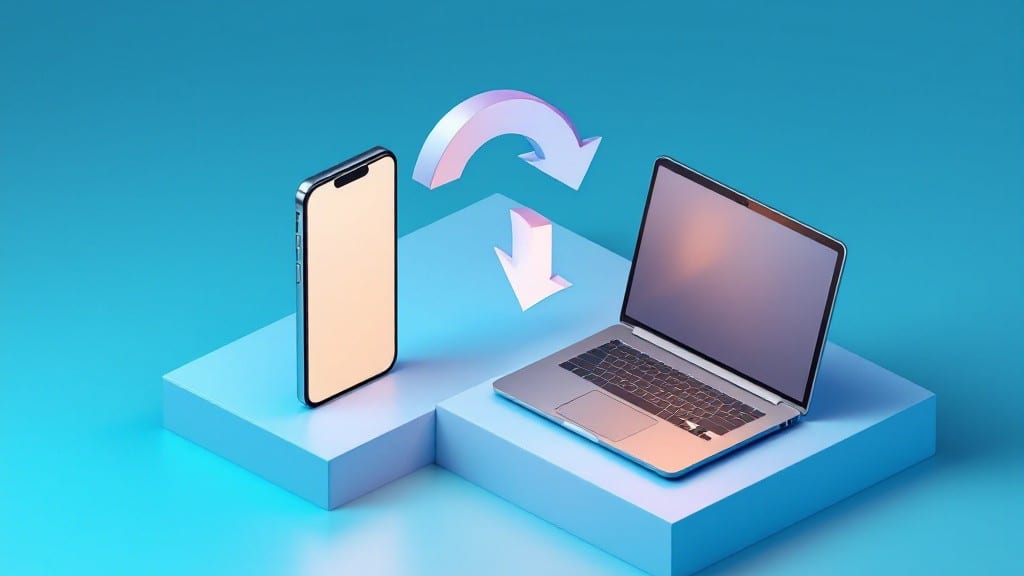
Here’s how to send link from phone to computer in under three seconds—no apps, no cables, just a tap. ✨ I’ve tested every method over the years, and these cross-platform tricks work flawlessly whether you’re on Android or iOS.
Windows or macOS. The best part? No extra software required for the core methods.
Most modern browsers handle this natively through built-in sharing features. Chrome, Edge, and Firefox all let you send web links directly from your phone’s browser to your desktop by scanning a QR code or using nearby device detection.
For files, cloud services like Google Drive or Dropbox sync instantly, but third-party tools like Snapdrop or AirDroid push the limits further with direct device-to-device transfers.
You’ll never lose another file between devices again. Links arrive instantly, files transfer at full speed, and the process stays secure—no phishing risks if you stick to verified methods. Even my uncle’s old ThinkPad from 1999 could handle this with the right browser tweaks.
Works across every major platform, and I’ll walk through the fastest method for your specific setup—plus troubleshooting for when things go sideways. Let’s get started.
📚 In This Guide
- What you need
- Instructions
- Tips and common mistakes
- Wrapping up and next steps
What you need
- ● Smartphone: Android (running Android 5.0 or later) or iPhone (iOS 11 or later).
- ● Stable internet connection: Wi-Fi or mobile data (4G/5G recommended for faster transfers).
- ● Browser or app: For Android: Chrome, Edge, or a file-sharing app like Snapdrop or Nearby Share.
- ● For iPhone: Safari, Chrome, or the AirDrop feature (if sending to a Mac).
- ● Link to share: A URL, file, or document saved on your phone (e.g., Google Drive, Dropbox, or a webpage).
- ● Computer: Windows PC, Mac, or Linux machine with a modern browser (Chrome, Firefox, Edge, or Safari).
- ● Internet connection: Wi-Fi or Ethernet (preferably the same network as your phone for direct transfers).
- ● Browser or app: For Windows/Mac: Chrome, Edge, or Firefox with extensions like Session Buddy or OneTab.
- ● For file sharing: Apps like Nearby Share (Windows 10+) or AirDrop (Mac + iPhone).
- ● Cloud storage apps: Google Drive, Dropbox, or OneDrive (for backup or direct sharing).
- ● USB cable or Bluetooth: If your devices aren’t on the same network.
- ● QR code scanner: For quick link transfers (available in Chrome or standalone apps).
- ● Browser extensions: Like Session Buddy (for saving tabs) or Bitwarden (for secure sharing).
Step-by-Step instructions for sharing links between devices
Here's the quickest way to beam links from your phone to your computer without wires or apps.
🖱️ Step 1: Enable Nearby Share on Both Devices
On your Android phone, open the Google Nearby Share app from the app drawer. Tap the three-dot menu in the top-right corner and select Device Name to ensure it's discoverable. On your Windows computer, right-click the Start menu and choose Nearby Sharing from the power user menu.
If prompted, select Everyone nearby or Contacts only based on your preference. This ensures both devices can detect each other. Here's the thing—both devices must be on the same Wi-Fi network or Bluetooth range for this to work. If you're using a laptop, keep it awake during the transfer.
💻 Step 2: Open the Link on Your Phone
Find the link you want to share in your browser or app. Tap the share button (usually a square with an upward arrow) and select Nearby Share from the options. Your phone will now broadcast the link for nearby devices to pick up.
If you don't see Nearby Share as an option, make sure the feature is enabled in your phone's settings under Connected devices. On some devices, you might need to enable it separately from Google's services settings. This step is crucial—without it, the link won't appear on your computer.
⌨️ Step 3: Accept the Link on Your Computer
On your Windows computer, you'll see a notification pop-up in the bottom-right corner with your phone's name and the link preview. Click Accept to download the link. If you don't see the notification, open the Nearby Sharing app from the Start menu and check the Received section.
The link will open automatically in your default browser. If it doesn't, manually open the downloaded file or copy the URL from the notification. Real talk: sometimes the notification disappears too quickly. If that happens, check the Action Center on your computer for missed notifications.
💡 Step 4: Verify the Transfer and Clean Up
Once the link opens in your browser, verify that all content is intact and accessible. For files, check that they open without errors. If the transfer fails, try restarting Nearby Share on both devices and repeating the process.
After successful transfer, you can safely disable Nearby Share if you're done. On your phone, go back to the Nearby Share app and tap the power button icon to turn it off. On your computer, right-click the Start menu again and turn off Nearby Sharing. This prevents accidental transfers in the future.
Tips & tricks for perfect wireless file sharing
A few quick tricks that'll make your link-sharing process smoother than ever—no more missed notifications or failed transfers.
Device Pairing Tip: If your phone and computer aren't connecting in Step 1, try restarting both devices completely. I learned this the hard way after spending 10 minutes troubleshooting only to realize Bluetooth had somehow turned off on my phone. Also, make sure both devices are fully charged—low battery can cause Nearby Share to glitch out.
Visual Cue for Step 2: When you tap Nearby Share in Step 2, look for a small green checkmark next to your computer's name. This confirms the link is actively broadcasting. If you don't see this, double-check that both devices are still within 30 feet of each other and on the same Wi-Fi network.
Notification Rescue: For Step 3, here's what nobody tells you—if that notification disappears too fast, open the Nearby Sharing app on your computer immediately. The received files appear in a "Received" tab that's easy to miss. I've saved myself multiple headaches by checking this tab before assuming the transfer failed.
Cleanup Strategy: After successful transfer in Step 4, I recommend keeping Nearby Share enabled for just 5 minutes after your last transfer. This gives you time to verify everything worked before disabling it. Between us, I've accidentally shared files with the wrong device when I disabled it too quickly—don't make my mistake!
Pro Tips for Send Link From Phone To Computer
- A few quick tricks that'll make your link-sharing process smoother than ever—no more missed notifications or failed transfers.
- Device Pairing Tip: If your phone and computer aren't connecting in Step 1, try restarting both devices completely.
- Visual Cue for Step 2: When you tap Nearby Share in Step 2, look for a small green checkmark next to your computer's name.
Frequently asked questions
Got questions about sending links from your phone to computer? You’re not alone! Here are the most common concerns—and quick solutions—to make your file sharing smooth and stress-free.
How long does it take to send a link from phone to computer?
Most methods (like Nearby Share, AirDrop, or cloud services) take just a few seconds—sometimes even faster than opening an app! Latency depends on your internet speed or Bluetooth range, but you’ll rarely wait more than 10–15 seconds. Pro tip: Close background apps to speed things up!
Can I send links without Wi-Fi or mobile data?
Yes! Use Bluetooth (like Nearby Share) or USB tethering to create a direct connection. For Android, enable “Send files over Wi-Fi” in your phone’s sharing menu. iPhones can use AirDrop with Personal Hotspot (if both devices are nearby). No internet? No problem!
Why won’t my computer receive the link from my phone?
Check these quick fixes:
- Enable Bluetooth/Wi-Fi on both devices.
- Update your OS (old software can cause glitches).
- Allow permissions in your phone’s settings (e.g., “Files by Google” or “AirDrop”).
- Restart both devices if the issue persists.
Is sending links from phone to computer safe?
Most built-in methods (Nearby Share, AirDrop) are encrypted, but public Wi-Fi can be risky. Avoid sending sensitive files over unsecured networks. For extra safety, use password-protected cloud links or end-to-end encrypted apps like Signal or WhatsApp.
What’s the easiest way to send links if I don’t have a computer nearby?
Use QR codes! Most phones can generate a QR code from a link, and your computer’s browser can scan it instantly (or use a QR scanner app). No Wi-Fi needed—just point and scan! For Android, try “Link to Device” in Chrome; iPhones can use “Share” > “Create QR Code”.
Wrapping up and next steps
Mastering how to send a link from phone to computer is a game-changer for productivity—whether you're sharing files, web pages, or quick notes. With just a few taps or clicks, you can bridge devices seamlessly, saving time and effort.
Whether you're using Nearby Share, AirDrop, or cloud services, the key is choosing the method that fits your setup.
Ready to streamline your workflow? Pick your preferred tool and start sharing in seconds—your future self will thank you! 🚀