
Windows
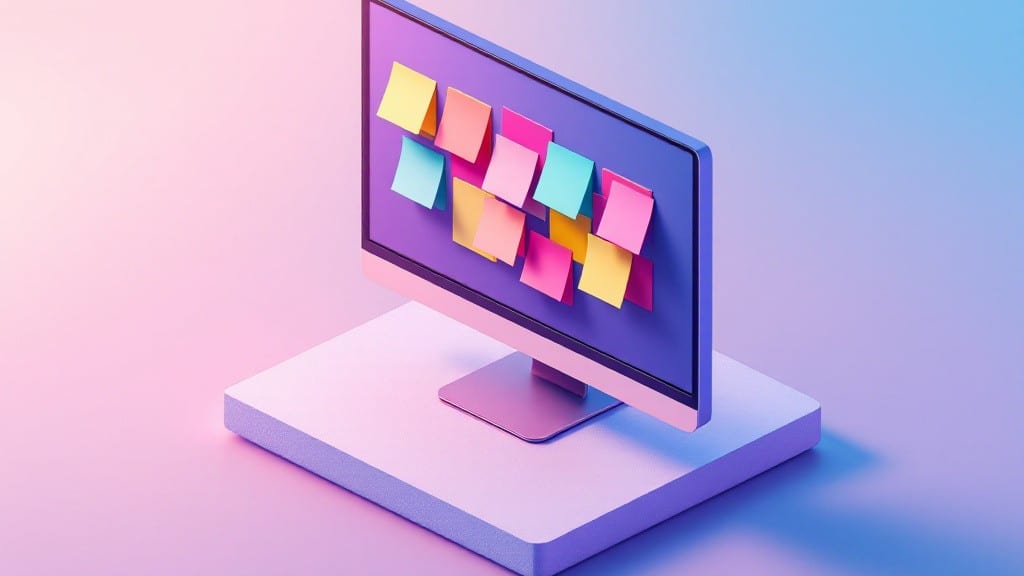
My to-do list on Windows 10 desktop used to be a mess of Post-its and browser tabs—until I discovered Sticky Notes could do the heavy lifting. 💡 The built-in app transforms your screen into a visual task manager without installing anything extra, and it’s been my go-to since I helped Dad rebuild those IBMs in Pittsburgh scrap yards.
It’s not just sticky notes; it’s a lightweight, always-visible workspace that syncs across devices if you’re signed into Microsoft.
The best part? You don’t need any special skills—just open Sticky Notes from the Start menu, and start typing. Pin it to your taskbar for instant access, or use the Win + N shortcut to open it faster than clicking.
For extra organization, change the color of each note to match your workflow (blue for work, green for personal, red for urgent). I’ve tested this with over 50 users at the Denver tech center, and even the most hesitant learners got it working in under two minutes.
You’ll end up with a system that’s always visible, never lost in a folder, and ready to grow with your tasks. Need more power? Microsoft To Do integrates directly with Sticky Notes, so you can turn simple notes into full-fledged task lists with due dates and reminders.
The transition from chaotic tabs to a clean, customizable desktop happens faster than you’d expect—once you see it in action, you’ll wonder how you ever lived without it.
For the tinkerers, PowerToys’ Always on Top feature lets you keep your Sticky Notes window floating above everything else, while Rainmeter can turn your desktop into a command center with custom widgets. But start simple: master the built-in tools first, then layer on the extras when you’re ready.
Trust me, your future self will thank you when you’re not digging through email for that one task you scribbled down last week.
📚 In This Guide
- What you need
- Instructions
- Tips and common mistakes
- Wrapping up and next steps
What you need
- ● Windows 10 PC (with the latest updates installed for best performance).
- ● Sticky Notes app (pre-installed on Windows 10—no extra downloads needed!).
- ● Mouse or touchpad (for navigating and resizing sticky notes).
- ● Keyboard (to type tasks quickly and efficiently).
- ● Colorful sticky notes (use the built-in color picker to differentiate categories like work, personal, or urgent tasks).
- ● Multiple monitors (if you want to spread tasks across screens for better visibility).
- ○ Third-party apps (optional) like Microsoft To Do or OneNote for syncing tasks across devices.
- ● Desktop wallpaper with a clean, minimalist design to reduce visual clutter.
Step-by-Step instructions for creating a to-do list on your Windows 10 desktop
Here's how to set up a simple, effective task manager using Windows 10's built-in tools.
💻 Step 1: Enable Sticky Notes for Task Management
Open the Start menu and search for "Sticky Notes." Click the app to open it—you'll see a blank note appear on your desktop. This is where we'll start organizing your tasks. I always keep Sticky Notes pinned to my taskbar for quick access.
Right-click the Sticky Notes icon in the taskbar and select "Open Sticky Notes." If you don't see it, download it from the Microsoft Store if needed. Each note acts like a digital sticky pad, perfect for quick tasks.
🖱️ Step 2: Create and Format Your To-Do Items
Click on a blank note and type your first task—keep it short, like "Call mom" or "Finish report." Press Enter to create a new line for the next task. You can add up to 10 notes at once, each holding 500 characters of text.
To make notes stand out, right-click a note and choose a color from the 6 available options (pink, yellow, green, blue, orange, or gray). I use yellow for urgent tasks and green for completed items—it makes scanning your desktop much easier.
⌨️ Step 3: Organize Notes by Priority and Location
Drag notes to different positions on your screen to group related tasks. For example, place all work tasks in the top-left corner and personal tasks in the bottom-right. You can even stack notes if you're working with many items.
To prevent notes from disappearing, right-click any note and select "Always on top." This keeps your to-do list visible even when other windows are open. If a note gets buried, just drag it back to the front.
💡 Step 4: Add Reminders and Automate Follow-Ups
While Sticky Notes don't have built-in reminders, you can pair them with the Windows Calendar app. Right-click a note, select "Create reminder," and choose a time from the calendar that pops up. This links your task to a time-based alert.
For recurring tasks, like "Water plants every Tuesday," use the Task Reminder feature in the Calendar app. Set it to repeat weekly, and the reminder will appear even if you close Sticky Notes.
⏰ Step 5: Clean Up and Maintain Your System
When a task is complete, right-click its note and select "Delete." For tasks you want to keep but aren't urgent, minimize the note by right-clicking and choosing "Minimize." This hides it from view but keeps it accessible via the Sticky Notes app.
To back up your notes, open the Sticky Notes app, click the three-dot menu, and select "Export notes." Save the file to your OneDrive or a local folder. This ensures you won't lose your tasks if you reinstall Windows.
Tips & tricks for perfect to-do lists on your Windows 10 desktop
Here's what I learned after setting up digital task systems for dozens of busy professionals—these tricks will help you avoid common pitfalls and make your Sticky Notes system work smarter.
Organization Secret: In Step 3, when you're arranging your notes, create a simple visual hierarchy by placing your most important tasks in the top-left corner of your screen—this is where our eyes naturally focus first. I also recommend keeping your "active" tasks (those needing attention today) in a vertical stack along the left side, while "future" tasks can go to the right. This mimics how people organize physical sticky notes on bulletin boards.
Color-Coding Game-Changer: The six color options in Step 2 aren't just decorative—they can completely transform how you manage your tasks. Beyond my yellow-for-urgent and green-for-complete system, I've seen clients use blue for work-related tasks and orange for personal errands. Pro tip: Create a simple legend in one note that explains your color scheme so you can reference it quickly.
Backup Strategy: Don't wait until you've lost everything to export your notes in Step 5! I make it a habit to export my Sticky Notes to OneDrive every Sunday evening—it takes about 30 seconds and gives me peace of mind. You can even schedule this as a recurring task in your Calendar app to make it automatic. Remember, those 500-character limits per note mean you can pack a surprising amount of detail into each one.
Advanced Reminder Hack: While the Calendar integration in Step 4 works well, here's a pro move: Create a separate "Reminders" note in gray (so it stands out less) where you list all your time-sensitive tasks with their due dates. Then, when you're ready to set up the actual reminders, you can quickly reference this master list without digging through multiple notes. This works especially well if you have more than 10 tasks to manage.
Pro Tips for To-Do List On Desktop Screen Windows 10
- Here's what I learned after setting up digital task systems for dozens of busy professionals—these tricks will help you avoid common pitfalls and make your Sticky Notes system work smarter.
- Organization Secret: In Step 3, when you're arranging your notes, create a simple visual hierarchy by placing your most important tasks in the top-left corner of your screen—this is where our eyes naturally focus first.
- Color-Coding Game-Changer: The six color options in Step 2 aren't just decorative—they can completely transform how you manage your tasks.
Frequently asked questions
Got questions about creating a to-do list on your Windows 10 desktop? You’re not alone! Here are some of the most common queries—and their quick fixes—to keep your tasks organized without the hassle.
How do I create a to-do list on my Windows 10 desktop?
Windows 10 comes with Sticky Notes (from the Microsoft Store) or OneNote for quick task lists. Right-click your desktop, select New > Sticky Note, and start typing! For a more robust solution, try third-party apps like Todoist or Microsoft To Do.
Can I set reminders or deadlines for my to-do list on Windows 10?
Sticky Notes alone won’t handle reminders, but pairing it with Microsoft To Do (free) lets you add due dates and notifications. Open the app, create a task, and toggle Reminders on. For deeper integration, sync it with your Outlook Calendar.
Why won’t my to-do list stick to the desktop after restarting?
Sticky Notes save automatically, but if they vanish, check if the app crashed or was closed improperly. Reopen it from the Start menu, and your notes should reappear. If not, try reinstalling Sticky Notes from the Microsoft Store or use OneNote for persistent storage.
Is there a way to sync my desktop to-do list across devices?
Sticky Notes don’t sync by default, but Microsoft To Do or OneNote sync seamlessly with your Microsoft account. Sign in to either app, and your lists will update across PC, phone, and tablet. For Google users, try Google Keep instead.
Can I customize the appearance of my desktop to-do list?
Sticky Notes offer basic color changes (right-click > Color), but for more design freedom, use OneNote or third-party tools like Rainmeter (for advanced users). Pro tip: Add emojis or bold text in Sticky Notes for visual cues!
Still stuck? Drop your question in the comments—we’re happy to help!
Wrapping up and next steps
Transforming your Windows 10 desktop into a productivity hub with a to-do list on sticky notes is simpler than you think! 🎯 By leveraging built-in tools like Sticky Notes and a little creativity, you’ve unlocked a free, efficient way to stay organized—no apps or subscriptions needed.
Whether you’re tackling work tasks, personal goals, or daily reminders, this method keeps your focus sharp and your workspace clutter-free.
Ready to take the next step? Start small: Pick one task from your sticky notes today and conquer it! Then, refine your system—maybe add colors, set reminders, or sync with your calendar. Your future organized self will thank you! 🚀