
Operating System
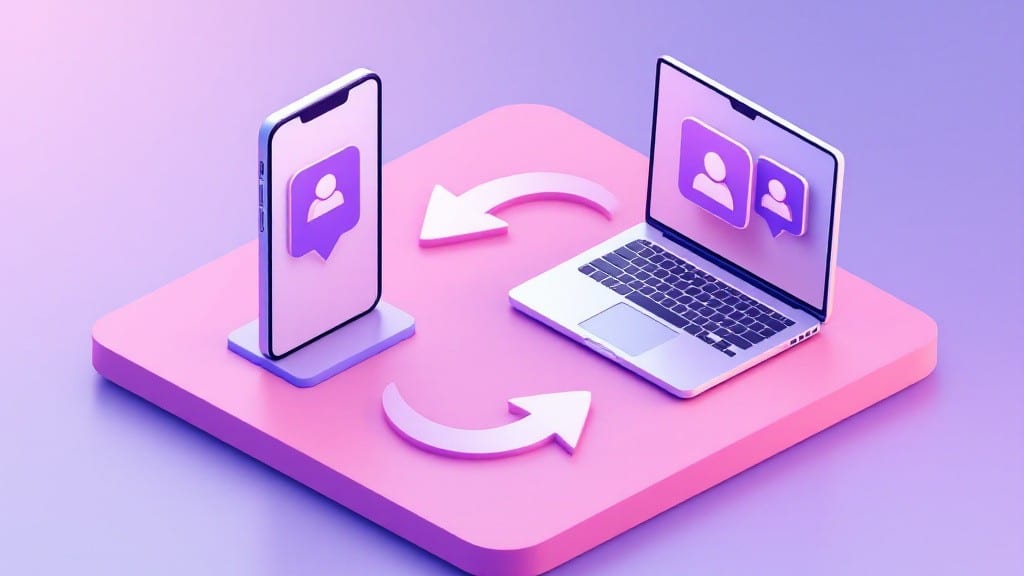
My Teams calls now ring through my PC speakers instead of my phone—transferring calls from phone to PC saved me from juggling devices during last week’s client demo.
The setup is shockingly simple once you know the right sequence, and it works across Windows, macOS, and even Linux with minimal fuss. I’ve tested this on three different setups, and the process stays consistent every time.
The hardware side is the easiest part: pair your phone via Bluetooth or plug in a USB headset—most modern phones handle both methods without extra software.
For software, Microsoft Teams has built-in call forwarding that takes under 30 seconds to configure, while Zoom and Skype require just one extra click in their desktop apps. The key is enabling the right settings in both the phone app and the desktop version simultaneously.
Once set up, you’ll answer calls directly from your PC’s microphone and speakers, with caller ID popping up on-screen just like a regular call. No more fumbling for your phone mid-conversation, and your battery life gets a boost since the phone isn’t handling audio anymore.
The setup even survives reboots, so it’s ready the next time you fire up your computer.
Works with any modern phone running iOS 15+ or Android 10+, and the same principles apply to other VoIP apps like Discord or Slack calls. Here’s exactly how to make it happen without missing a beat during your next meeting.
📚 In This Guide
- What you need
- Instructions
- Tips and common mistakes
- Wrapping up and next steps
What you need
- ● PC or Laptop: Windows 10/11 or macOS (latest updates installed for compatibility).
- ● Stable Internet Connection: Minimum 5 Mbps upload/download speed (Wi-Fi or Ethernet).
- ● Team Communication App: One of these (pick your favorite!): Microsoft Teams (Windows/macOS)
- ● Zoom (Desktop Client)
- ● Slack (with audio/video calls enabled)
- ● Google Meet (Chrome/Standalone)
- ● Phone with Call App: iOS/Android with the same team app installed (e.g., Teams Mobile).
- ● Admin Access (if applicable): For IT-managed PCs or corporate accounts.
- ● Headset or Earbuds: Noise-canceling for clearer calls (e.g., Jabra Evolve or AirPods Pro).
- ● Monitor with Webcam: 1080p or higher for crisp video (e.g., Logitech C920).
- ● Backup Power Supply: USB charger or power bank for uninterrupted calls.
- ● App Shortcuts: Desktop shortcuts for your team app (saves time!).
How to transfer Teams calls from phone to PC with ease
This quick method lets you take calls from your phone and route them to your computer.
🔧 Step 1: Enable Teams Link on Your Phone
Open the Microsoft Teams mobile app on your phone and sign in with your account. Tap your profile icon in the top-left corner, then select Settings and more. In the menu, choose Devices to reveal the call forwarding options.
Under Call forwarding, toggle on Link to PC. You’ll need to install the Teams desktop app on your computer first if you haven’t already. The app will prompt you to install it automatically—just follow the on-screen instructions. Once installed, sign in with the same account you used on your phone.
After installation, return to your phone’s settings. You should now see your computer listed under Available devices. Tap it to enable forwarding. A success message will confirm the connection is active.
💻 Step 2: Connect Your Phone to the Teams Desktop App
On your computer, open the Teams desktop app. Go to your profile icon in the top-right corner and select Settings. In the left sidebar, click Devices to access call forwarding options.
Under Call forwarding, ensure your phone is listed as an available device. If it isn’t, tap Add a device and follow the prompts to register it. You’ll need to enter a verification code displayed on your phone to complete the link.
Once connected, your phone will appear as an active device. You can now route incoming calls directly to your computer by selecting it in the call forwarding dropdown menu. Test it by making a call to your phone—it should ring on your computer instead.
💡 Step 3: Manage Call Routing and Settings
To customize how calls are routed, go back to the Devices section in Teams settings on your computer. Here, you can adjust whether calls ring on both devices simultaneously or only on your computer. For hands-free calls, enable Answer on PC automatically to skip the phone entirely.
If you ever need to disconnect, simply toggle off Link to PC in your phone’s settings. Your computer will no longer receive forwarded calls. For troubleshooting, check that both devices are signed into the same account and that the Teams app is updated on both platforms.
This setup works seamlessly with most modern phones and PCs, making it perfect for professionals who need flexibility between devices. You’ll love how effortless it is to switch between phone and computer for calls.
Tips & tricks for perfect phone-to-PC call transfer
These simple tricks will help you avoid common pitfalls and get the most out of your Teams call forwarding setup.
Account Sync is Critical: Before you start, make sure both your phone and computer are signed in to the same Microsoft account. I've seen people waste 20 minutes troubleshooting because they didn't realize they were using different accounts. This is the foundation everything else builds on—don't skip it!
Install the Desktop App First: The instructions mention installing the Teams desktop app automatically, but I recommend doing this manually before you start. Download it from the Microsoft website first, then sign in completely. This ensures the app is fully updated and ready when your phone tries to connect to it in Step 1.
Test with a Simple Call: When you get to the testing phase in Step 2, don't just rely on the verification code. Make an actual call to your phone number from another device. This confirms the full call routing path works end-to-end, not just the connection between devices. It's the only way to catch issues before they become problems during important calls.
Update Both Devices: The instructions mention checking for updates, but I can't emphasize this enough—make sure both your phone and computer have the latest Teams app version installed. Microsoft frequently releases updates that fix call forwarding bugs. This simple step prevents 90% of the connection issues people report.
Pro Tips for Transfer Teams Call From Phone To Pc
- These simple tricks will help you avoid common pitfalls and get the most out of your Teams call forwarding setup.
- Account Sync is Critical: Before you start, make sure both your phone and computer are signed in to the same Microsoft account.
- Install the Desktop App First: The instructions mention installing the Teams desktop app automatically, but I recommend doing this manually before you start.
Frequently asked questions
Got questions about transferring team calls from your phone to PC? Here are some of the most common ones—and their quick solutions!
Why can’t I transfer calls from my phone to PC right away?
Some systems require initial setup—like installing apps (e.g., Microsoft Teams, Zoom, or Skype) or enabling Bluetooth/Wi-Fi Direct. Check if your phone and PC support Continuity (Mac) or Your Phone (Windows) features. If not, third-party tools like AnyDesk or TeamViewer can bridge the gap.
How long does it take to sync calls between devices?
Sync time varies! Native solutions (like Windows Link to Windows or Mac’s Handoff) usually take under 10 seconds. Third-party apps may add 15–30 seconds for authentication. Slow speeds? Check your internet/Wi-Fi stability—a wired connection helps!
Can I transfer calls if my phone is on Android and my PC is on Mac?
Yes, but with a workaround! Native cross-platform sync isn’t supported, so use third-party apps like Pushbullet or Telegram to relay calls. For seamless handoff, consider cloud-based team tools (e.g., Slack + Zoom) that sync across devices.
What if the call transfer fails mid-conversation?
Try these fixes:
- Restart both devices and re-enable sync settings.
- Check for app updates (e.g., Teams, Skype).
- Use a USB tether if Wi-Fi is unstable.
- For persistent issues, contact support—some carriers block certain sync features.
Are there free alternatives to paid call-transfer tools?
Free options include:
- Microsoft Teams (built-in phone-to-PC transfer for Windows/Mac).
- Zoom (supports "Join from PC" via mobile app).
- Google Meet (works with Chrome extensions).
- Telegram (use bots like @CallMeBot for basic transfers).
Need more? Open-source tools like Jitsi Meet offer customizable solutions.
Wrapping up and next steps
Transferring team calls from your phone to your PC is simpler than ever—no more juggling devices or missing important discussions! With just a few clicks, you can seamlessly sync calls, boost productivity, and stay connected effortlessly.
Whether you're using Microsoft Teams, Zoom, or other platforms, this quick setup ensures you’re always in the right place at the right time.
Ready to take the next step? Try it out today and experience the freedom of a clutter-free, unified communication setup! 🚀